
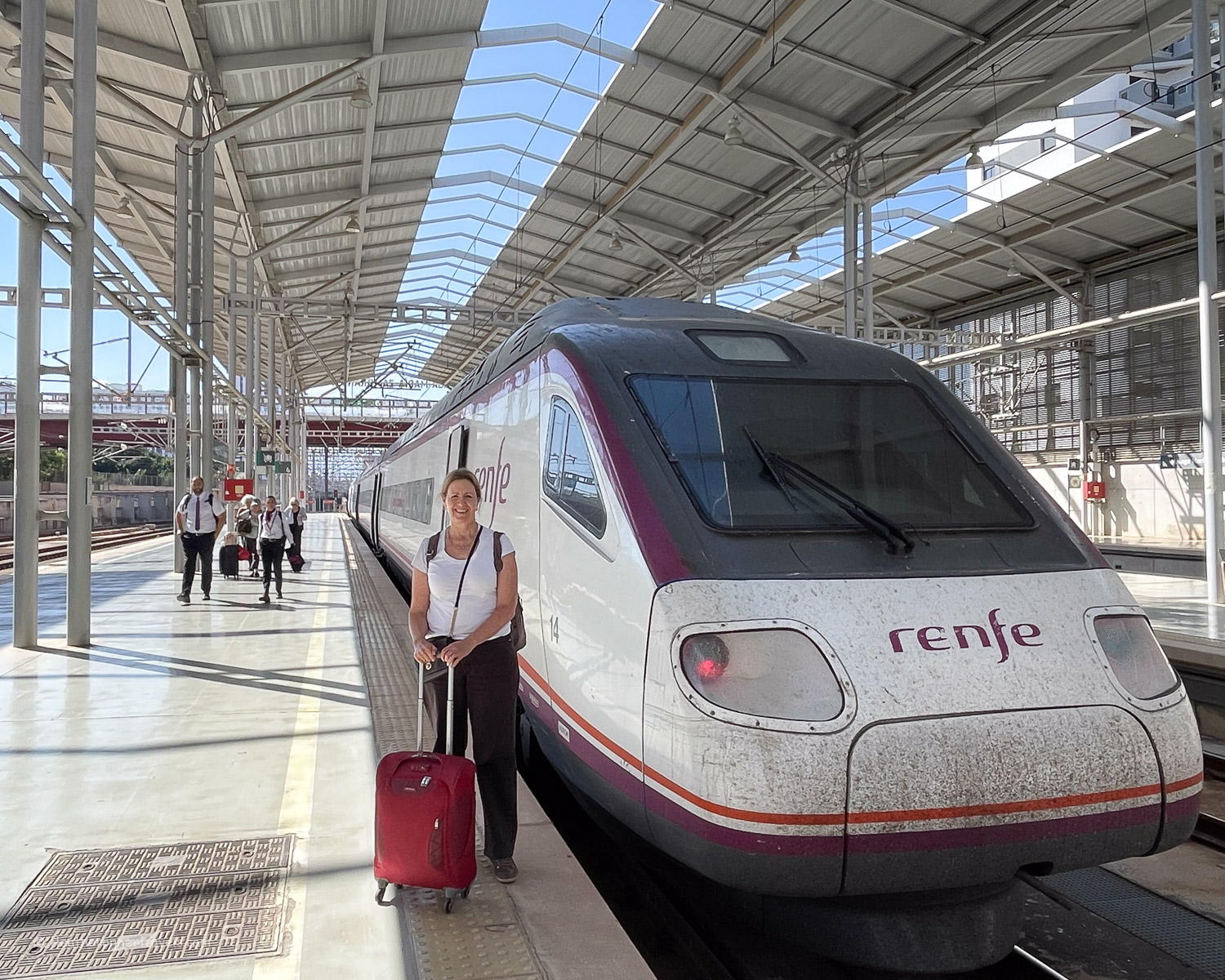
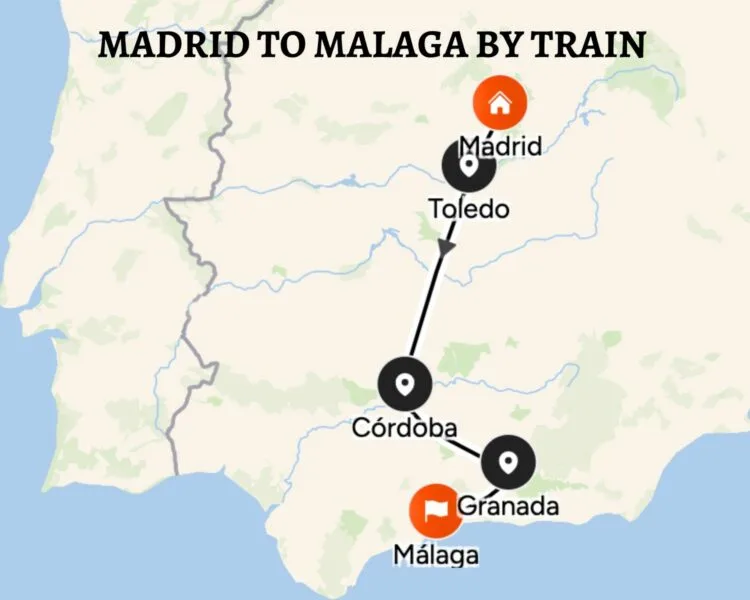
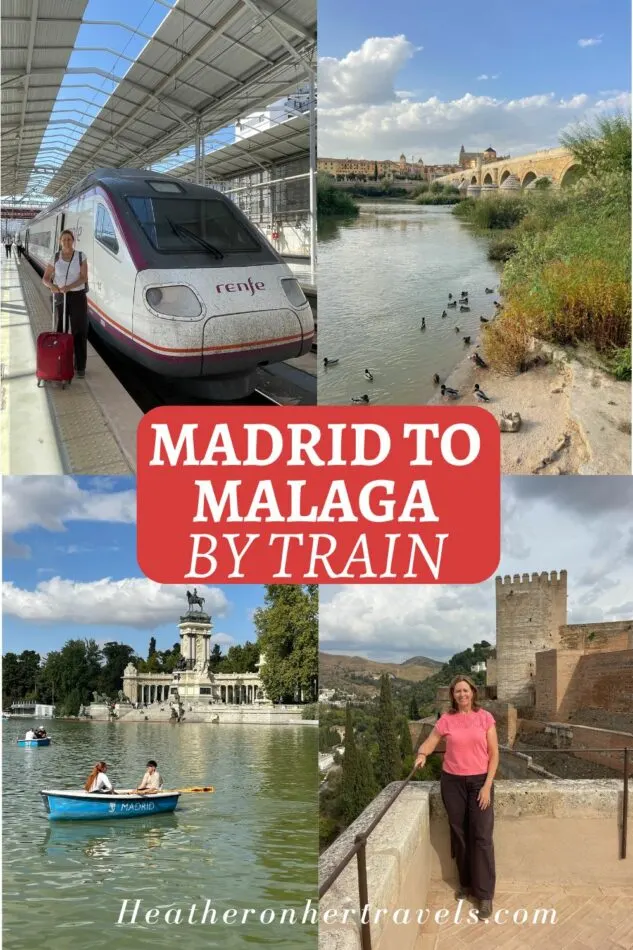
Our journey from Madrid to Malaga took us through the cities of Andalusia, using the excellent Spanish train network. Over 10 days we explored the highlights of Madrid, Toledo, Cordoba, Granada and Malaga as well as enjoying the relaxing journey, reserved seats and views from the train window.
From the grand architecture of Madrid and monasteries of Toledo to the Mezquita in Cordoba and Alhambra in Granada, read about what we enjoyed and how easy it is to book this train trip for yourself.
This article may contain affiliate links that provide commission on purchases you make at no extra cost to you. As an Amazon Associate I earn from qualifying purchases.
Overview of our itinerary
- Day 1 – Arrive Madrid and check into hotel. Afternoon / evening exploring the city. Book 3 nights in Madrid.
- Day 2 – Explore Madrid. Stay Madrid (2nd night)
- Day 3 – Day trip to Toledo from Madrid. Stay in Madrid (3rd night)
- Day 4 – Morning train from Madrid to Cordoba. Afternoon exploring Cordoba. Book 1 night in Cordoba.
- Day 5 – Morning exploring Cordoba. Afternoon train to Grenada. Book 2 nights in Grenada.
- Dax 6 – Visit the Alhambra. Stay in Grenada (2nd night)
- Day 7 – Morning exploring Grenada. Afternoon train to Malaga. Book 3 nights in Malaga.
- Day 8 – Explore Malaga. Stay in Malaga (2nd night)
- Day 9 – Explore Malaga further or take a day trip from Malaga to Caminito del Rey, Marbella or Ronda. Stay in Malaga (3rd night)
- Day 10 – end of itinerary – travel home or to another part of Spain
How to book this Madrid to Malaga itinerary
You can book this itinerary independently, reserving train journeys and hotels separately. We recommend using Booking for hotels and RailEurope for trains or Omnio for buses and trains.
However, if prefer to have the whole itinerary organised for you, we recommend Byway Travel, who specialise in European holidays by train. They have two very similar itineraries below, or you can ask them to tailor a trip just for you.
Madrid to Malaga by train (9 nights)
London to Malaga – slow route to Spain (12 nights)

From Madrid to Malaga by train with Byway Travel
Follow our 10 day itinerary through Andalusia, Spain with Byway travel
If you are booking hotels independently, we recommend;
High speed trains in Spain – what you need to know
On the Spanish intercity train network, you need to buy a ticket in advance. Normally a few days ahead is fine, but on some routes or in high season, allow longer as train tickets sell out. Many of the trains on the Madrid to Malaga route are high speed trains, for which there is strong demand.
All tickets on high speed trains are allocated a seat, and there is no standing in the carriage as you might find in England on busy trains. Do not assume that you can turn up at the station and buy tickets for the next train!

I used both RailEurope and Omnio to check train times, and both offer easy online ticket booking. I recommend that you download the Omnio app, as it also covers buses in Spain, so we found it a useful travel planning tool.
We found travelling by train in Spain was a relaxing and well organised way to get around, with good security and comfortable seats. Once on board we could sit back and enjoy the scenery speeding past the window, arriving in the centre of cities without the stress of parking a hire car.
Madrid
Spain’s capital is known for its myriad of cultural attractions and vibrant food scene, yet it feels less over-run with tourists than some of Spain’s coastal cities like Barcelona. We visited friends in Madrid at the beginning of our train trip, so saw the city from a local’s perspective. Here’s a 2 day itinerary, based on what we enjoyed in Madrid.
Day 1 in Madrid
- We started at the Prado, but didn’t go in as you need to allow a few hours for Madrid’s famous art museum. Instead, we popped into the pretty church of San Jerónimo el Real nearby, which was preparing for a wedding.
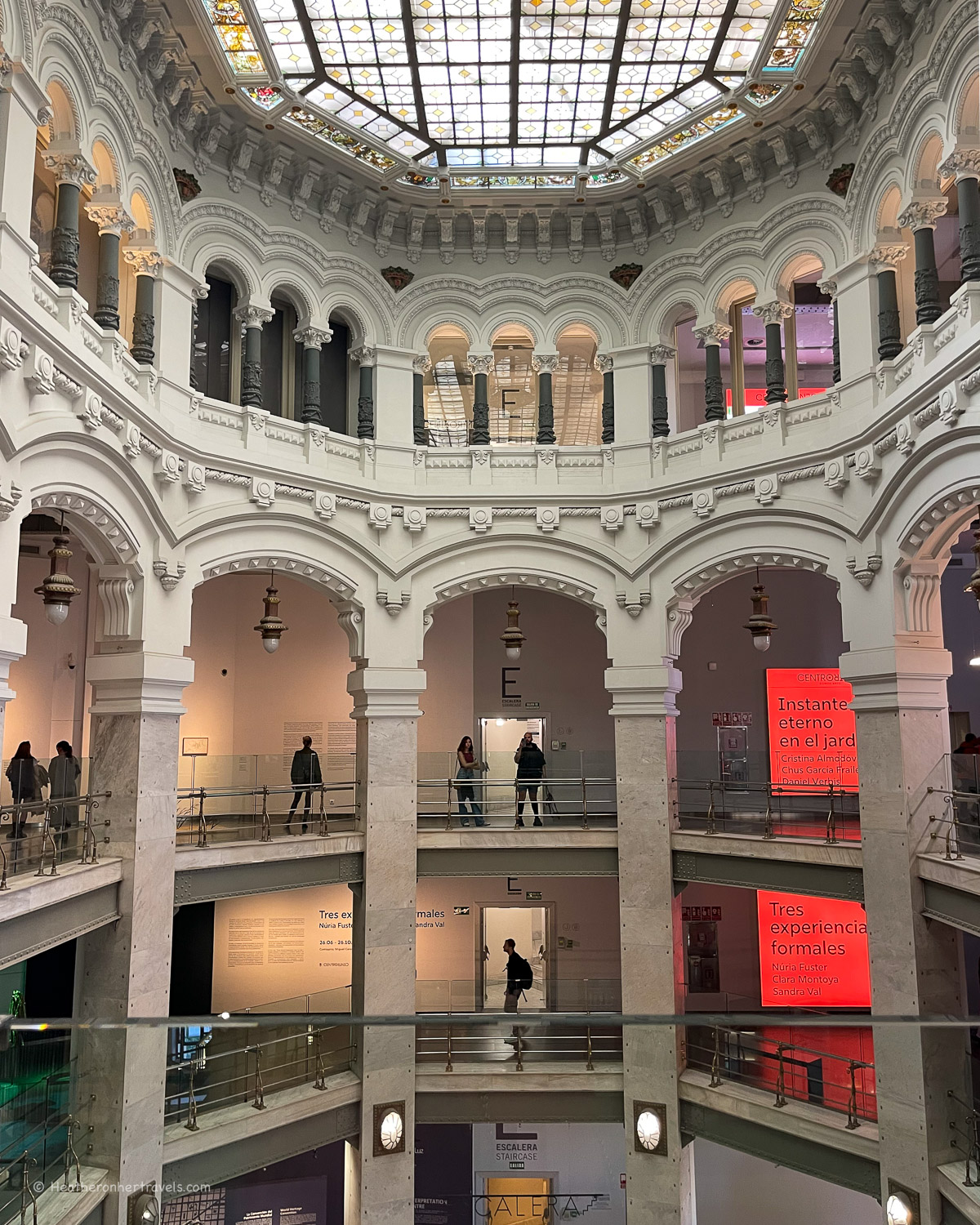
- A short walk away is the beautiful Palacio de Cibeles, built in 1907 which is free to visit. It was formerly the telecommunications headquarters, but is now used as Madrid’s town hall as well as housing art exhibitions and a glass viewing point in the 8th floor. The Azotea Cibeles rooftop terrace bar is a great place for drinks and cocktails.
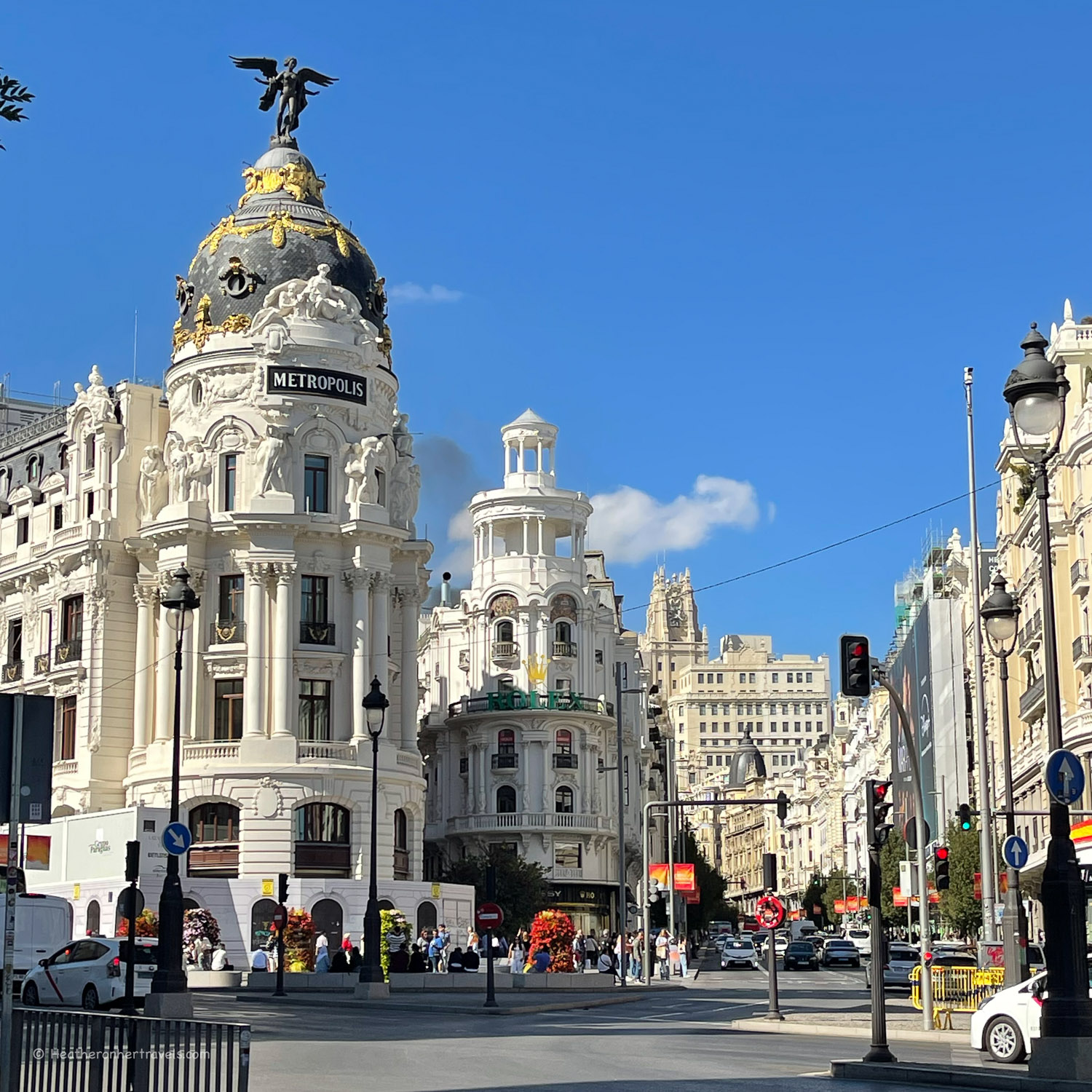
- Nearby, Calle Gran Via is a broad boulevard full of striking Modernismo (Art Deco) style buildings, home to many upscale and luxury shopping brands.
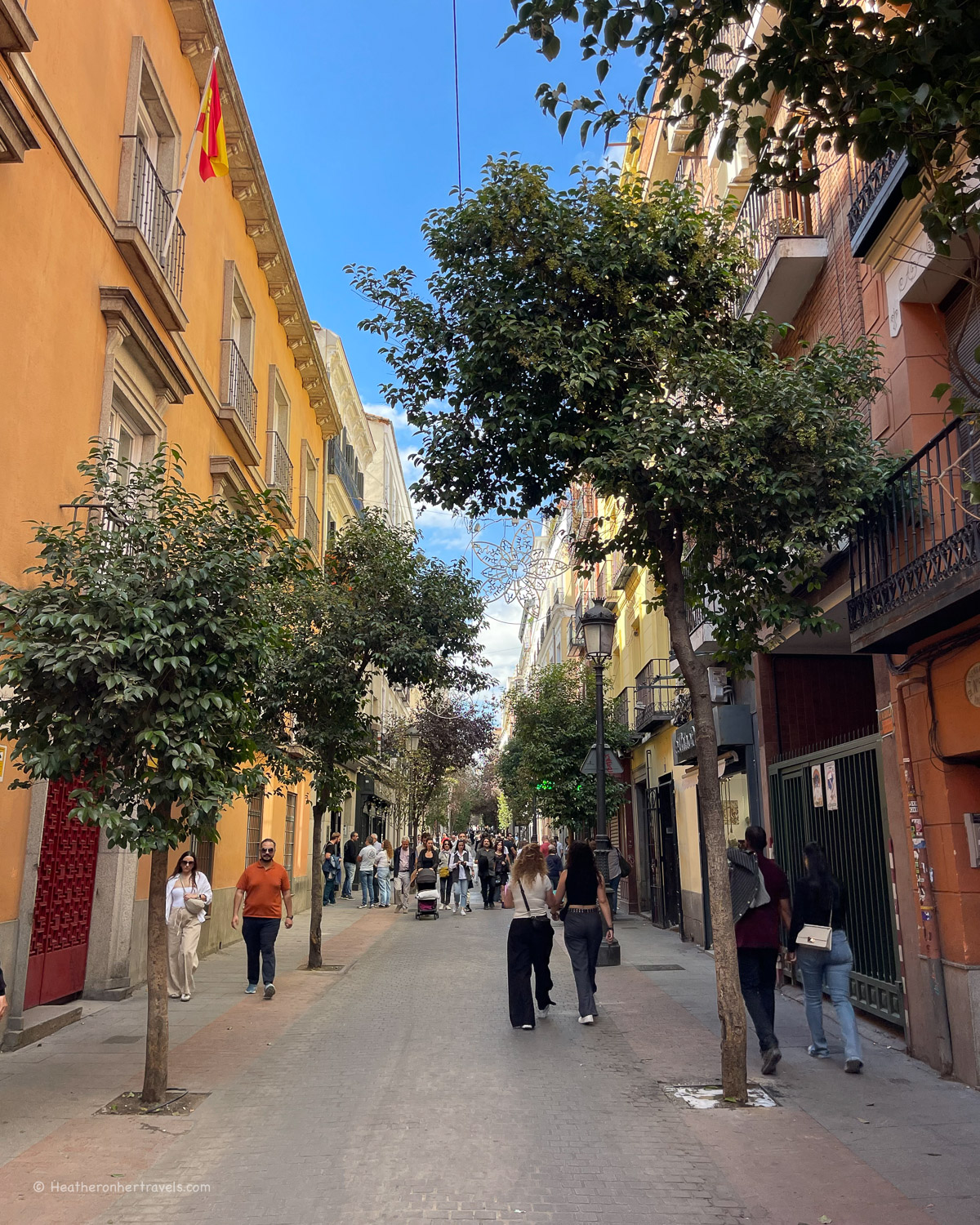
- From the Prado, take a walk along Calle de las Huertas through the atmospheric Barrio de las Letres (writer’s quarter), a pedestrianised area with cobbled streets and artisan shops.
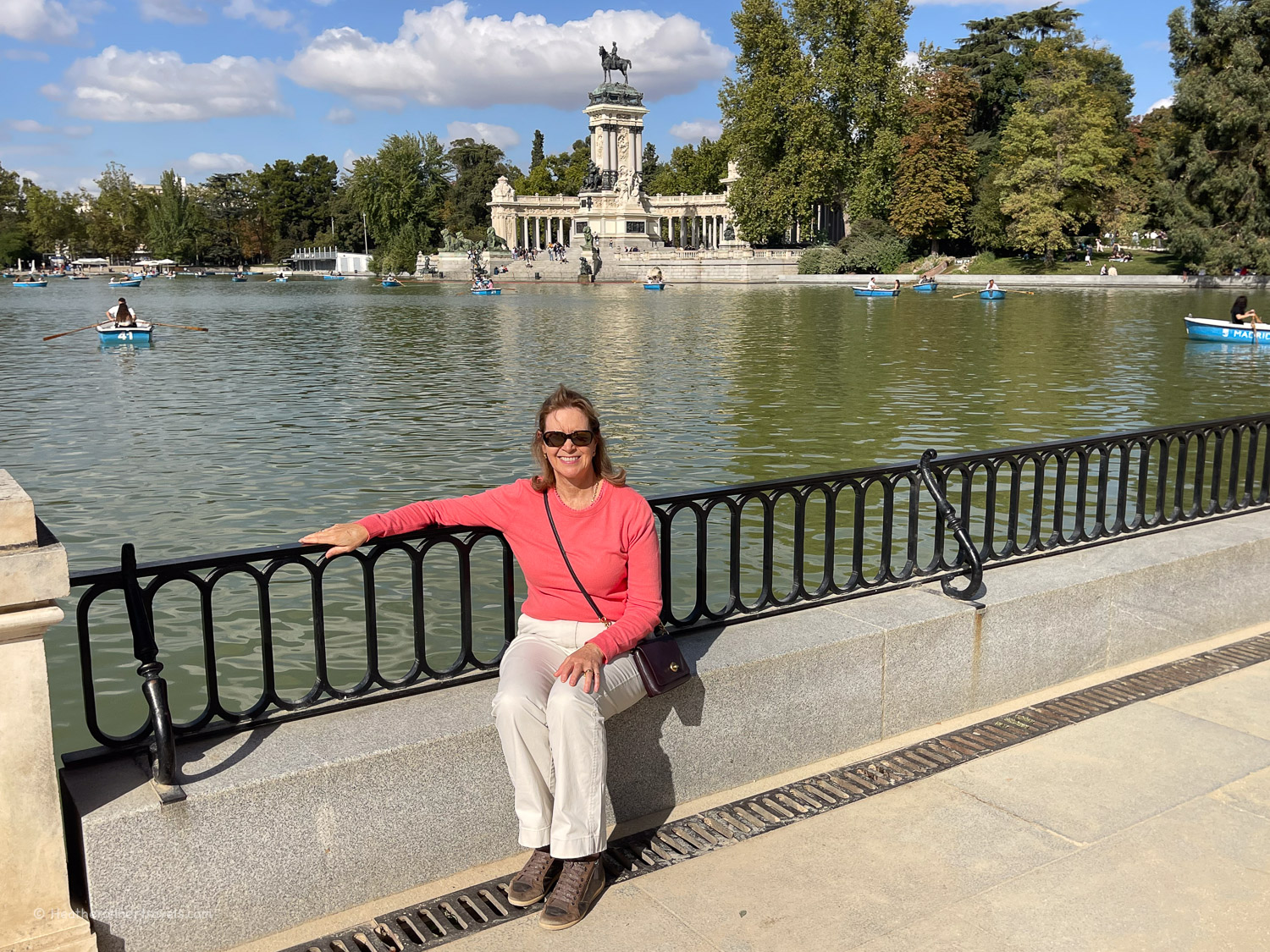
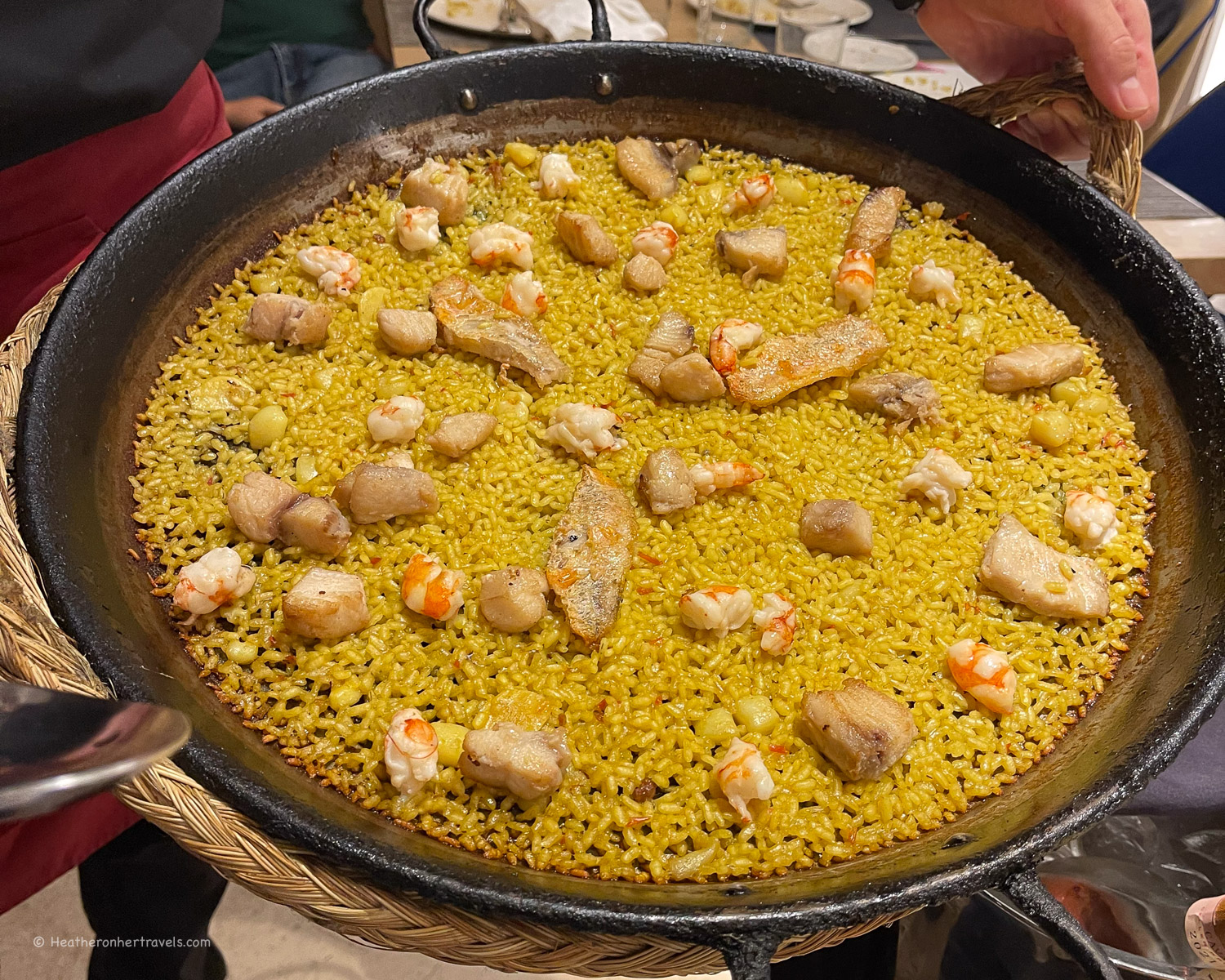
- Spend some time in the afternoon relaxing in Parque El Retiro, the green lung of Madrid, with its peacocks and boating lake. At the weekend reserve for lunch of Arroz (similar to Paella) at Berlanga, on the east side of the park.
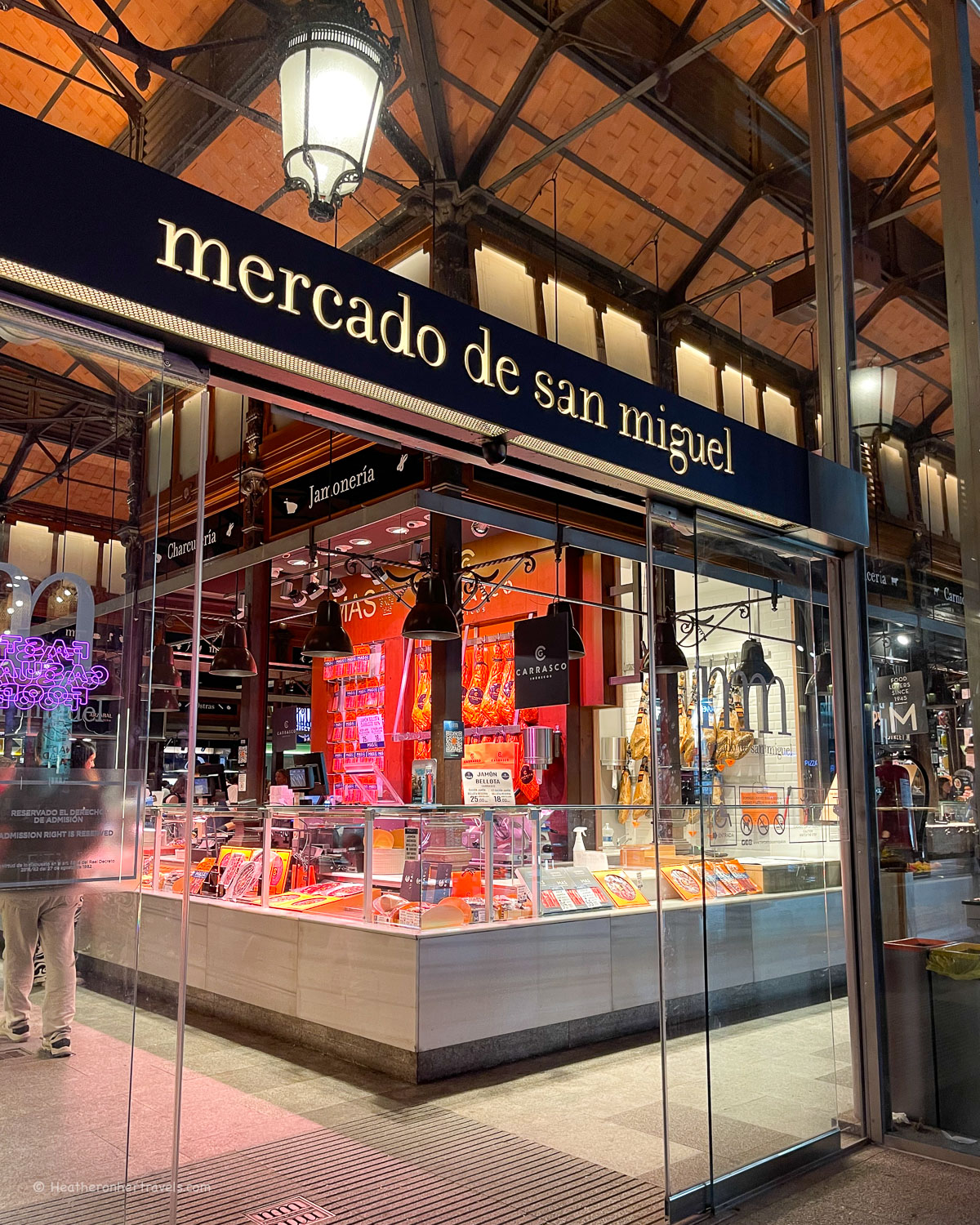
- In the evening, head to La Latina, the old medieval quarter, which offers winding streets, tapas bars and the El Rastro flea market on Sundays. Grab some snacks and drinks at the Mercato de San Miguel, in the old glass market hall, or try one of the many excellent fine dining restaurants like Trèsde, where we ate.
Day 2 in Madrid
If you have a bit more time in Madrid, you might like to explore in the south of the city, a favourite with locals at weekends.
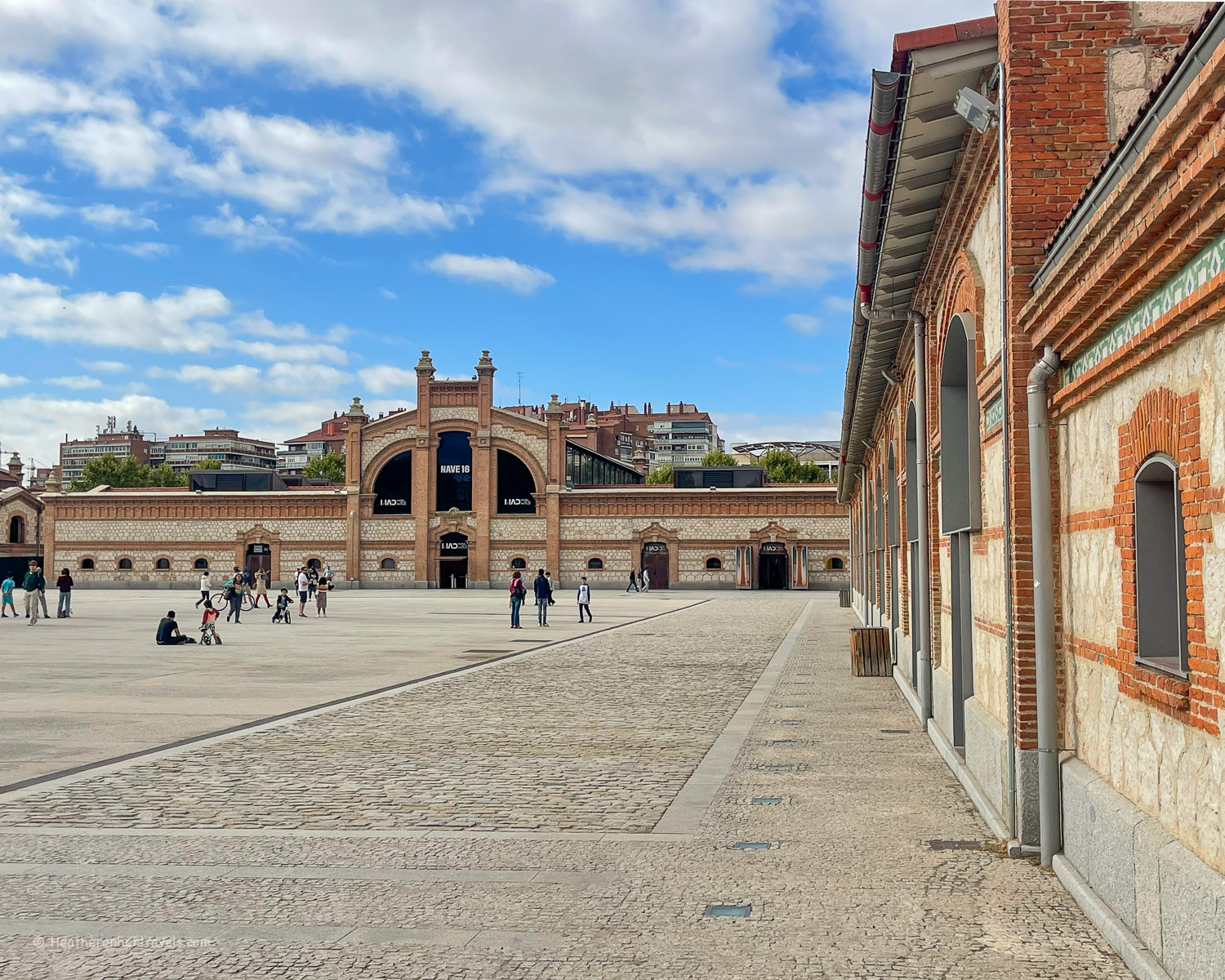
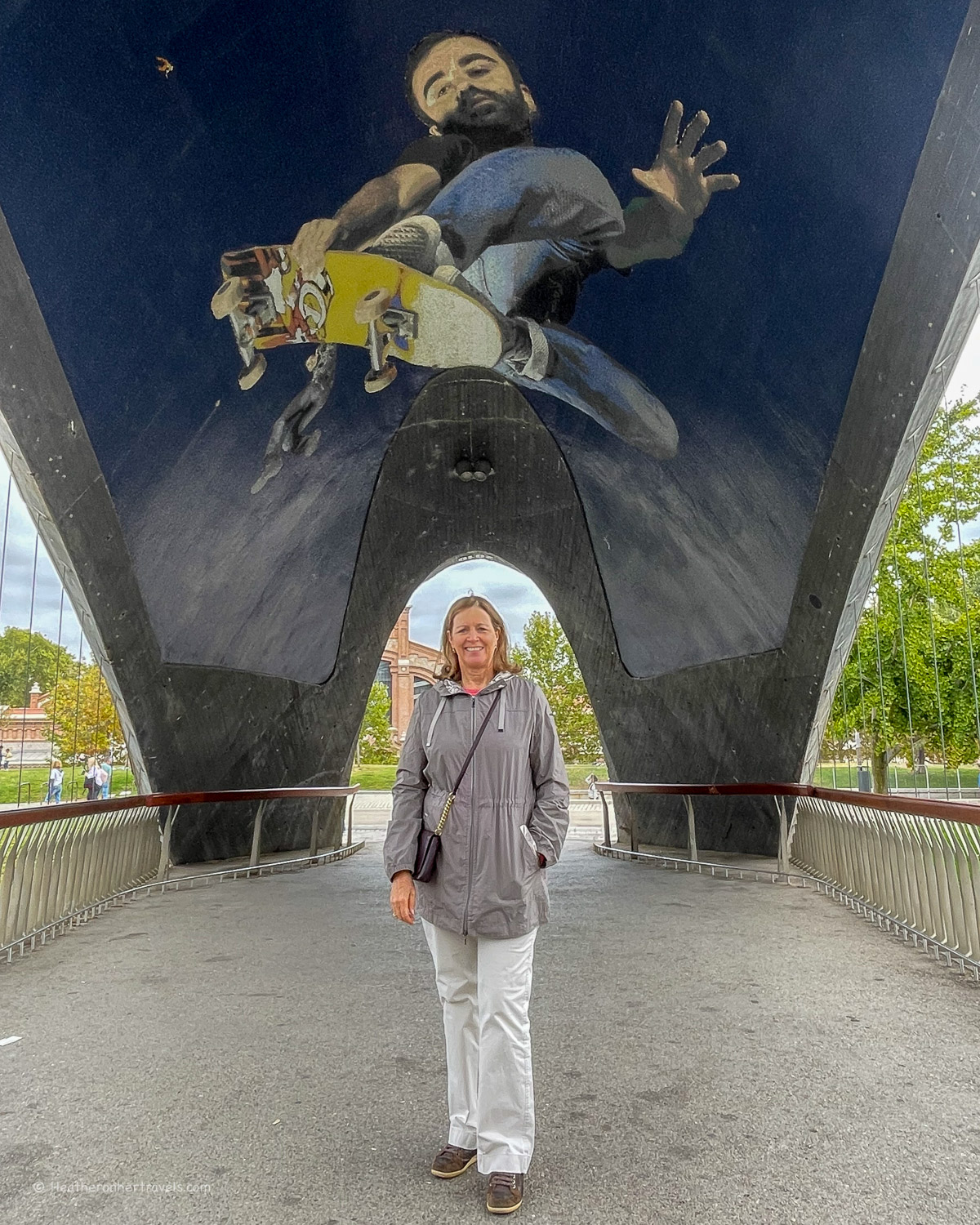
- Look around Matadero Madrid, a cultural centre that’s housed in a former slaughterhouse with surprisingly beautiful buildings. Afterwards stroll by the river in the Madrid Rio riverside park, with its mural covered Puente Cascara del Matadero footbridge.
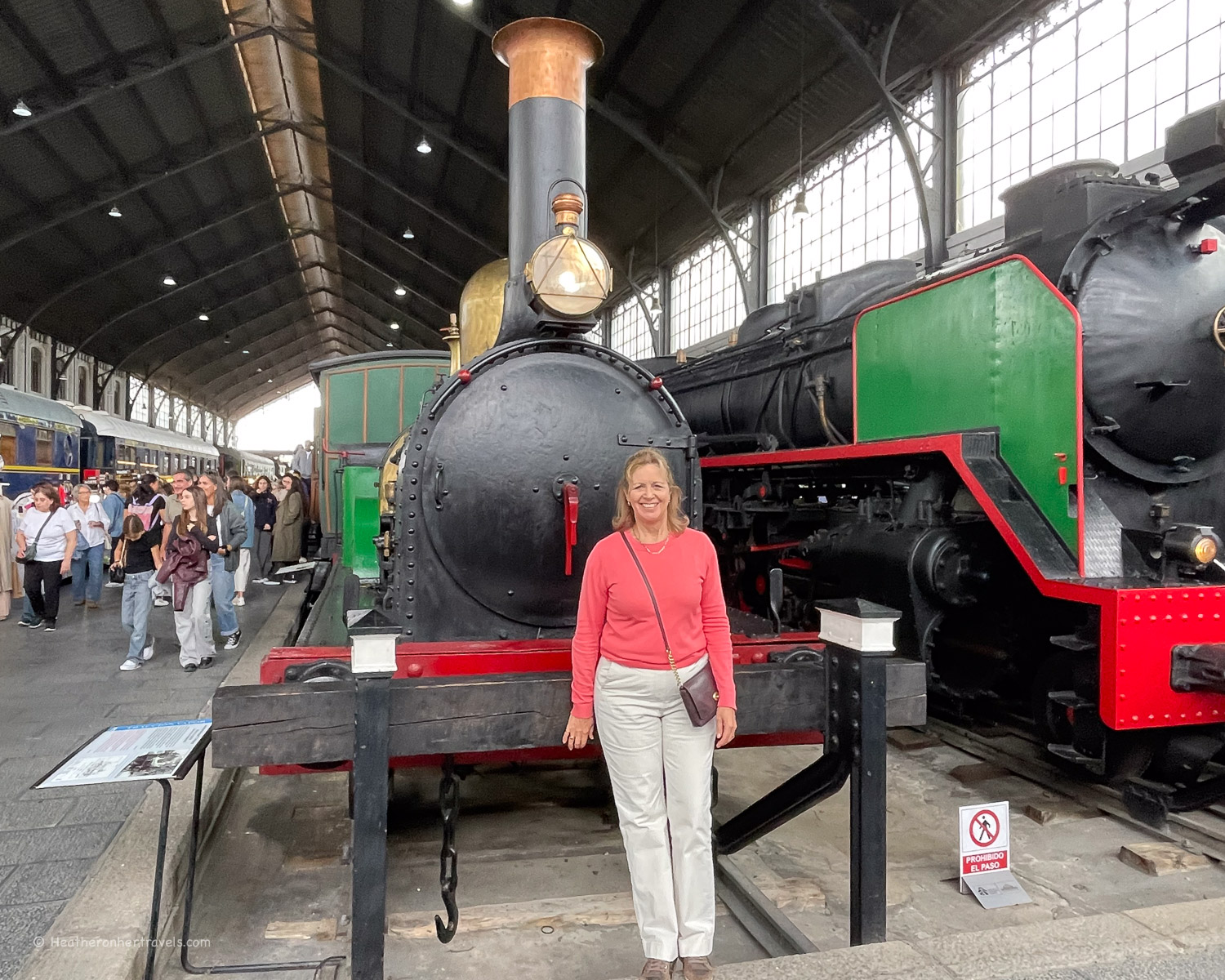
- Museo del Ferrocarril is an old railway station, now turned into a museum housing classic steam trains and locomotives. The rail shed houses exhibitions, a craft market and outdoor flea market at weekends, as well as having a cafe with food trucks (we loved the Vermouth van!)
Toledo
For Day 3 of our itinerary, we took a day trip to Toledo from Madrid, since the journey is only 30 minutes by train or 45 mins by bus. The old town of Toledo is set on a hill, about 15 mins walk from both the Toledo train and bus stations, with an escalator to help with the climb.
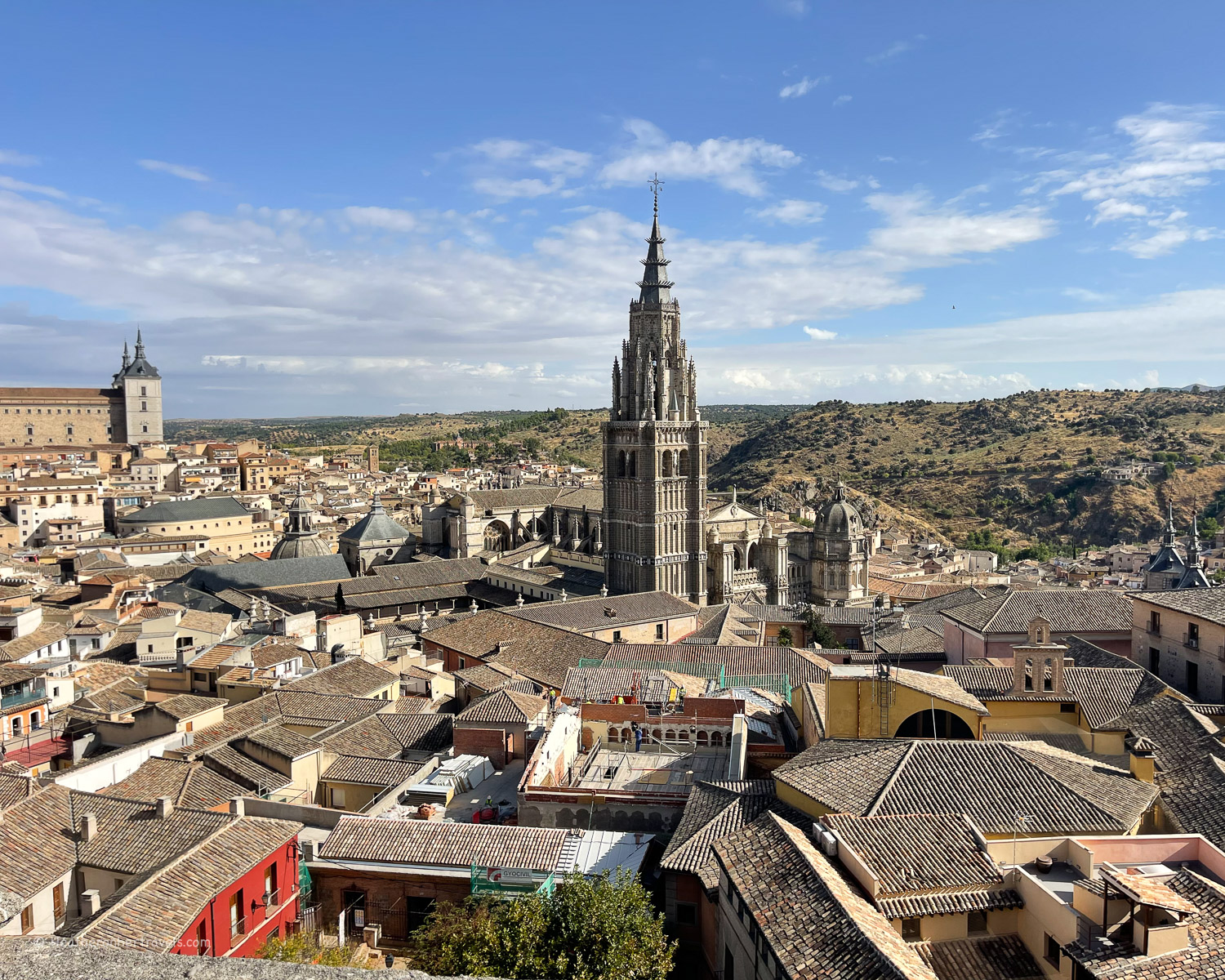
Top things to do in Toledo
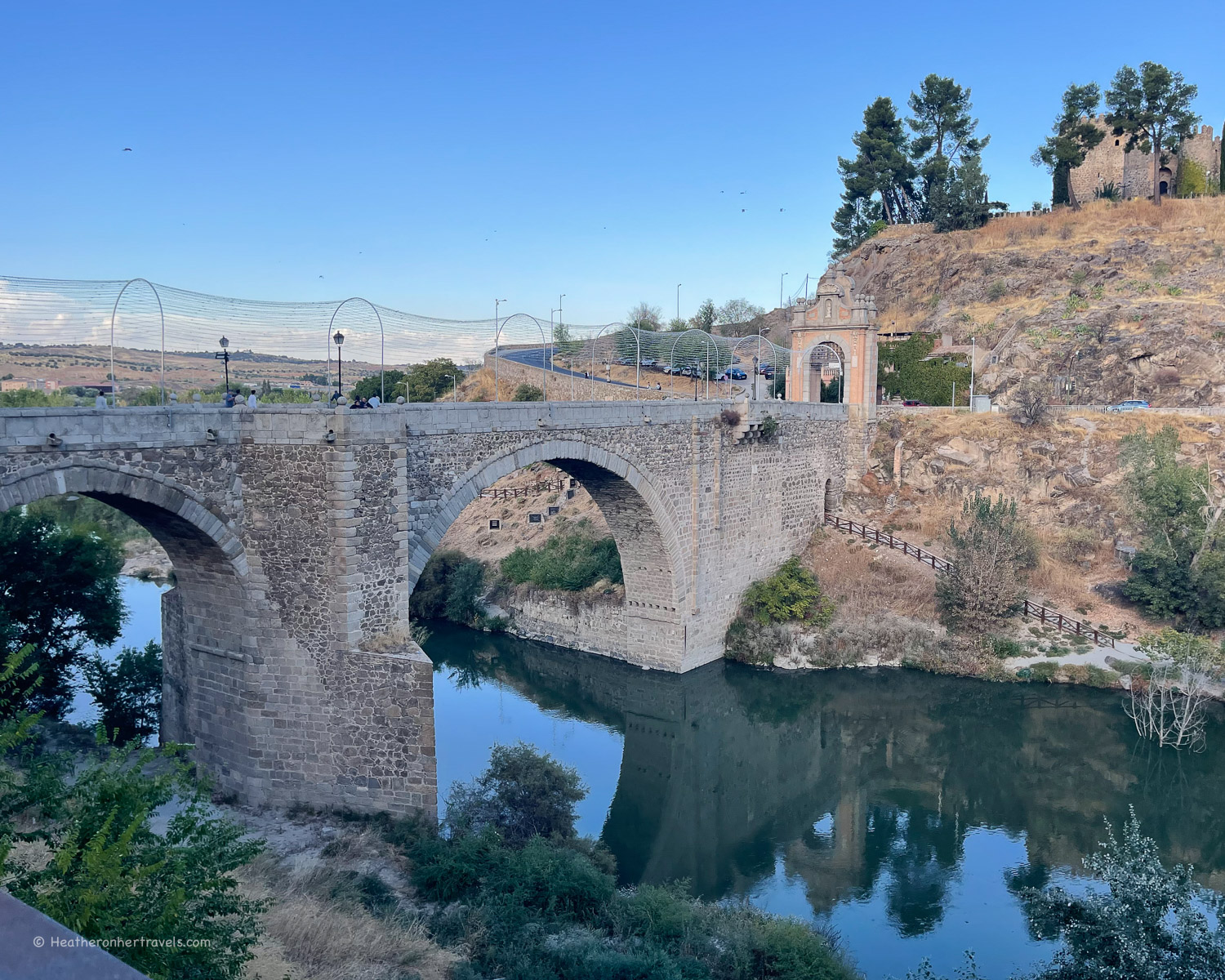
- Puente de Alcántara – the stone arches of this Roman bridge over the River Tagus are a Toledo landmark, which you can cross when walking from the train station.
- Plaza de Zocodover – the historic central plaza of Toledo is normally packed with tourists, since most guided tours start here. The square is surrounded by cafes, and we recommend the Confiteria San Tome marzipan shop under the city gate.
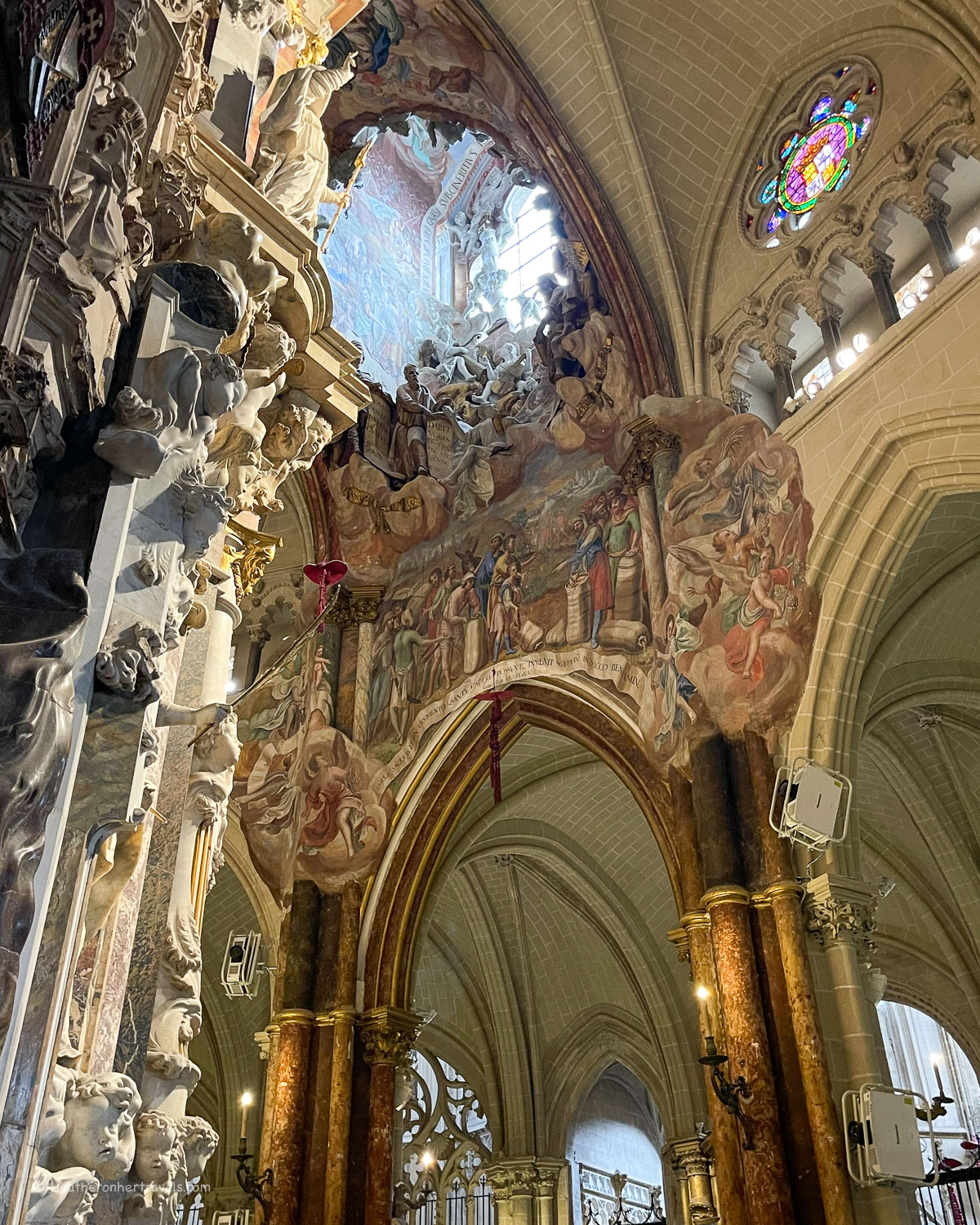
- The Cathedral of Toledo – built from the 13th century in the Gothic style, with vaulted arches, there’s a lot to see here. Look out for the beautiful side chapels and the El Transparante skylight illuminating one of the altars, as well as the sacristy with painted ceiling and masterpieces by El Greco, Titian and Carravagio.
- Alcazar de Toledo – this fortified palace sits on the hilltop overlooking the river, and now houses a military museum. Be aware that it’s closed Mondays.
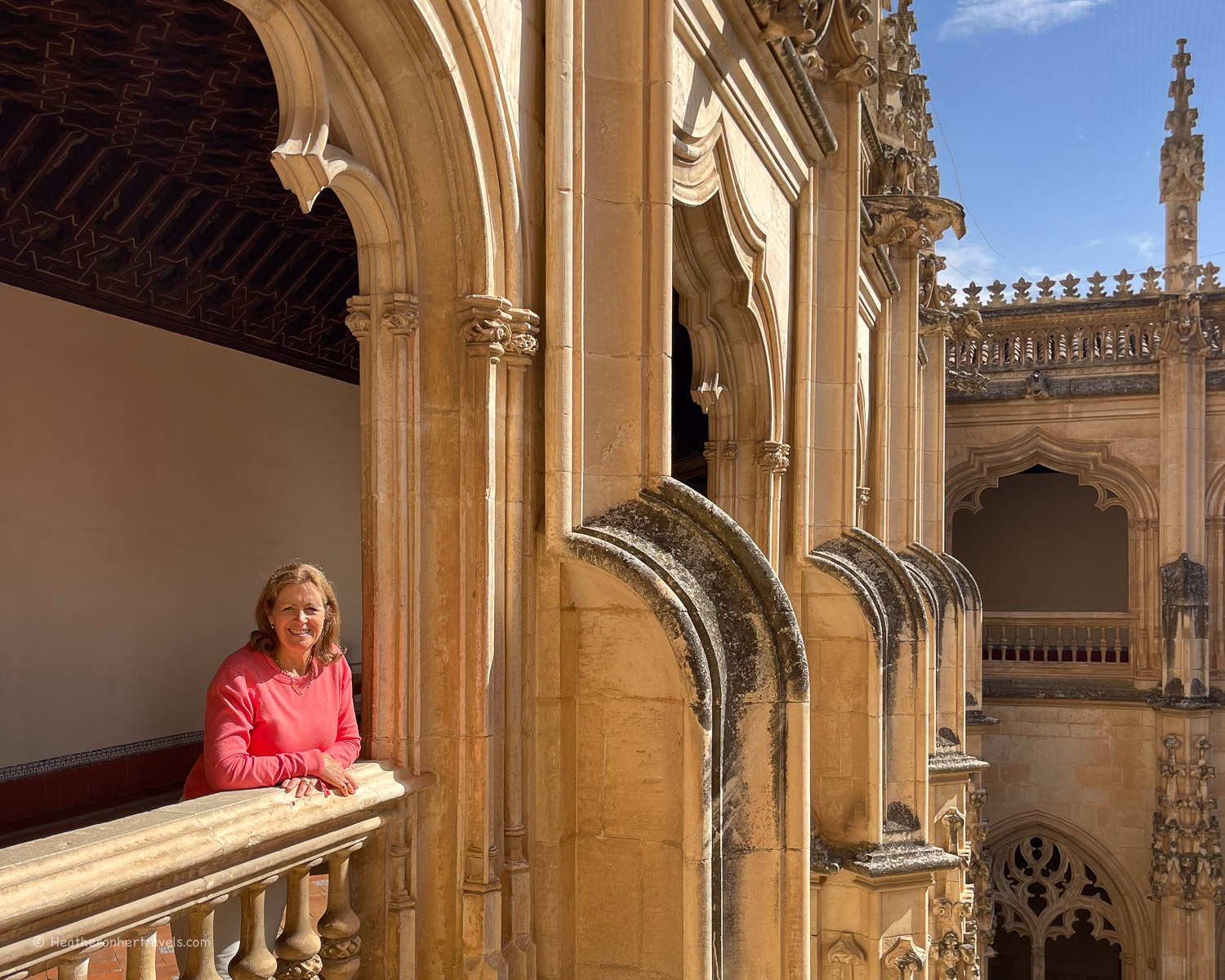
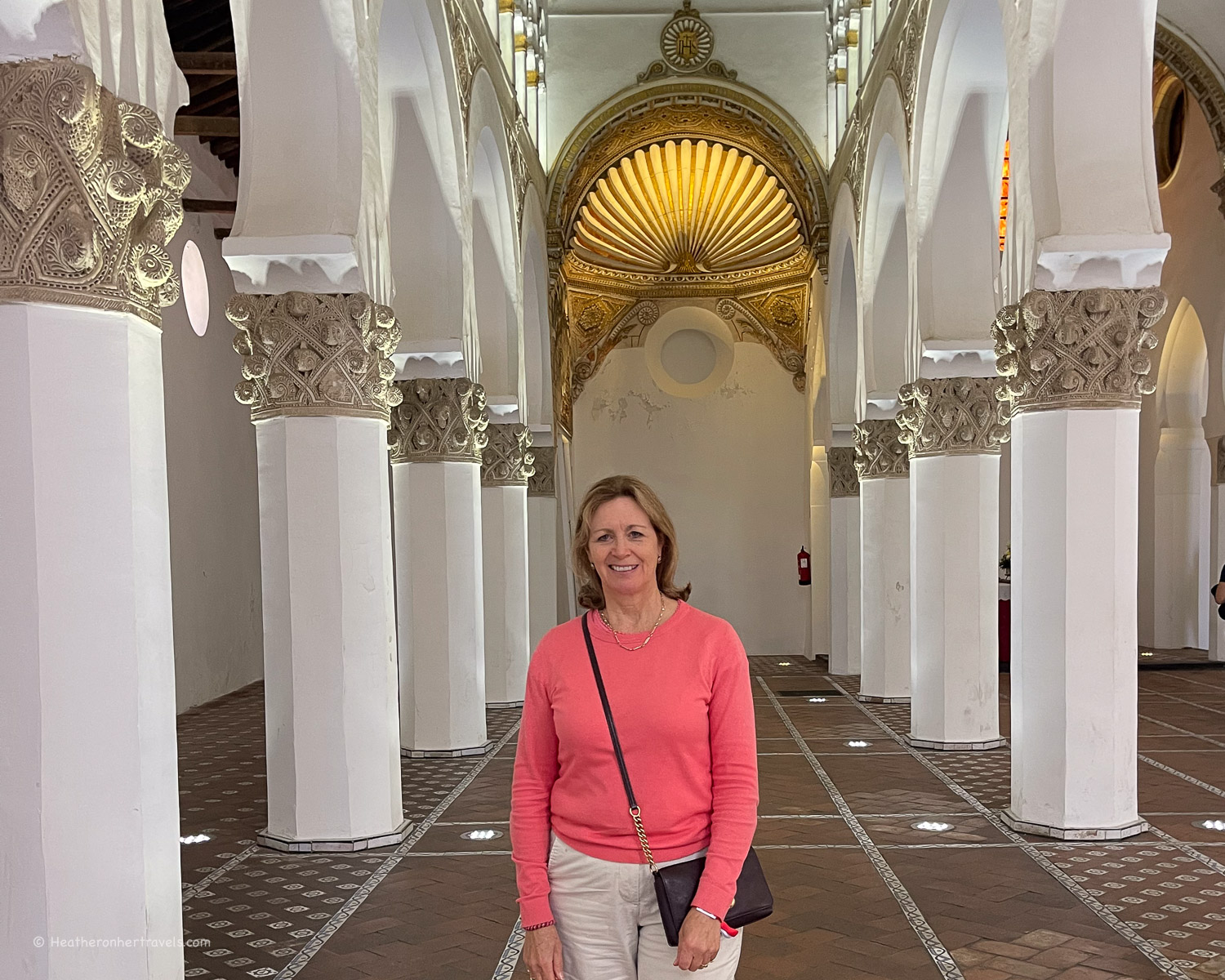
- Visit some other monuments of Toledo – the Toledo tourist wristband gets you entrance to 7 different historic sites, such as churches, monasteries and synagogues. We visited all seven and especially enjoyed the calm white pillars of Santa Maria la Blanca Synagogue, double-storied cloisters of San Juan de los Reys monastery and the views over Toledo from the tower of the Jesuit church.
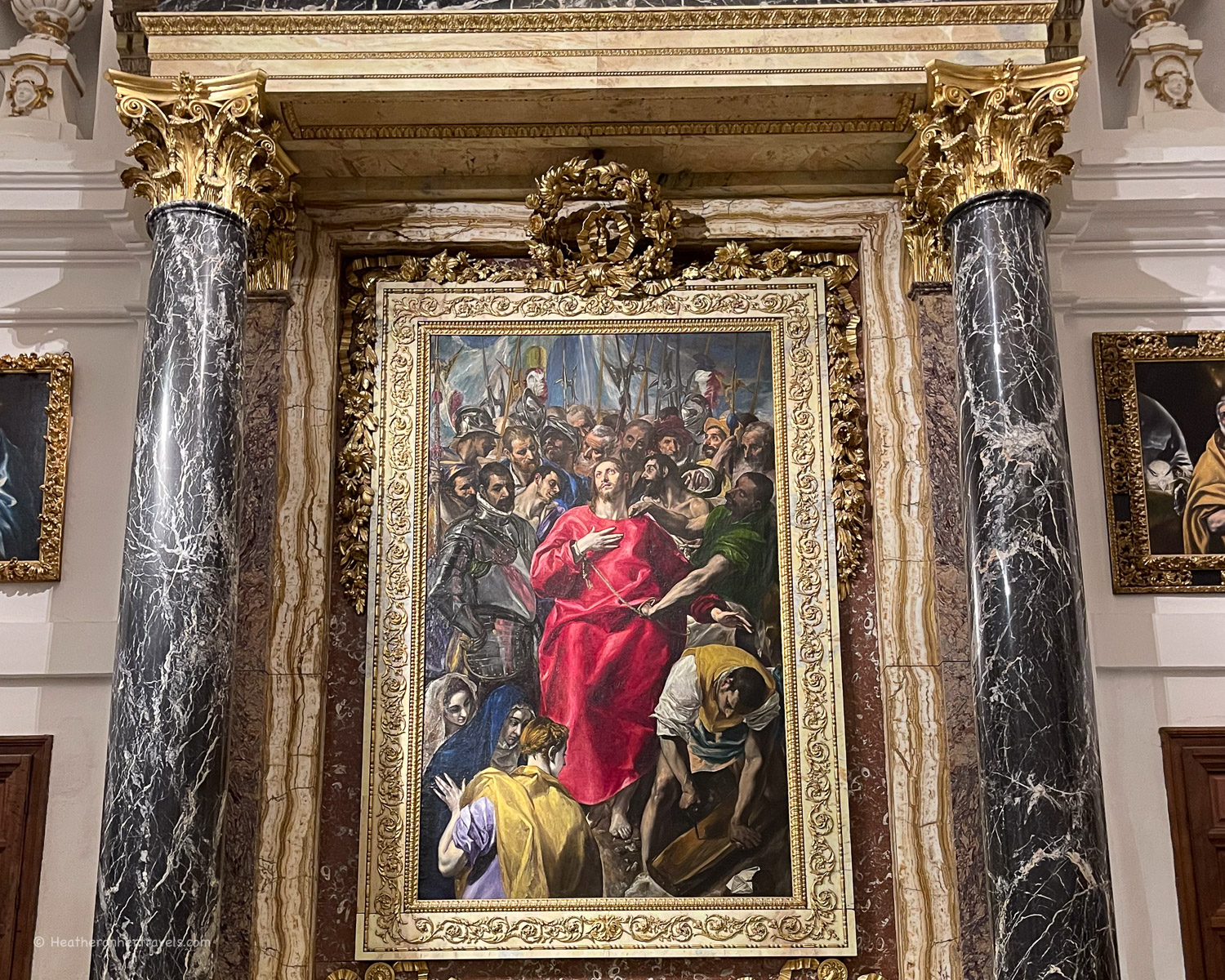
- El Greco – the 16th century painter was born in Crete, hence his nickname ‘El Greco’, but made his home in Toledo. His paintings are known for their bold colours and expressive faces, which seem surprisingly modern. The El Greco museum in Toledo houses a collection of his paintings (closed Mondays). Also Look out for works such as ‘The disrobing of Christ’ in Toledo cathedral, and ‘Burial of the Count of Orgaz’ in Santo Tomé church.
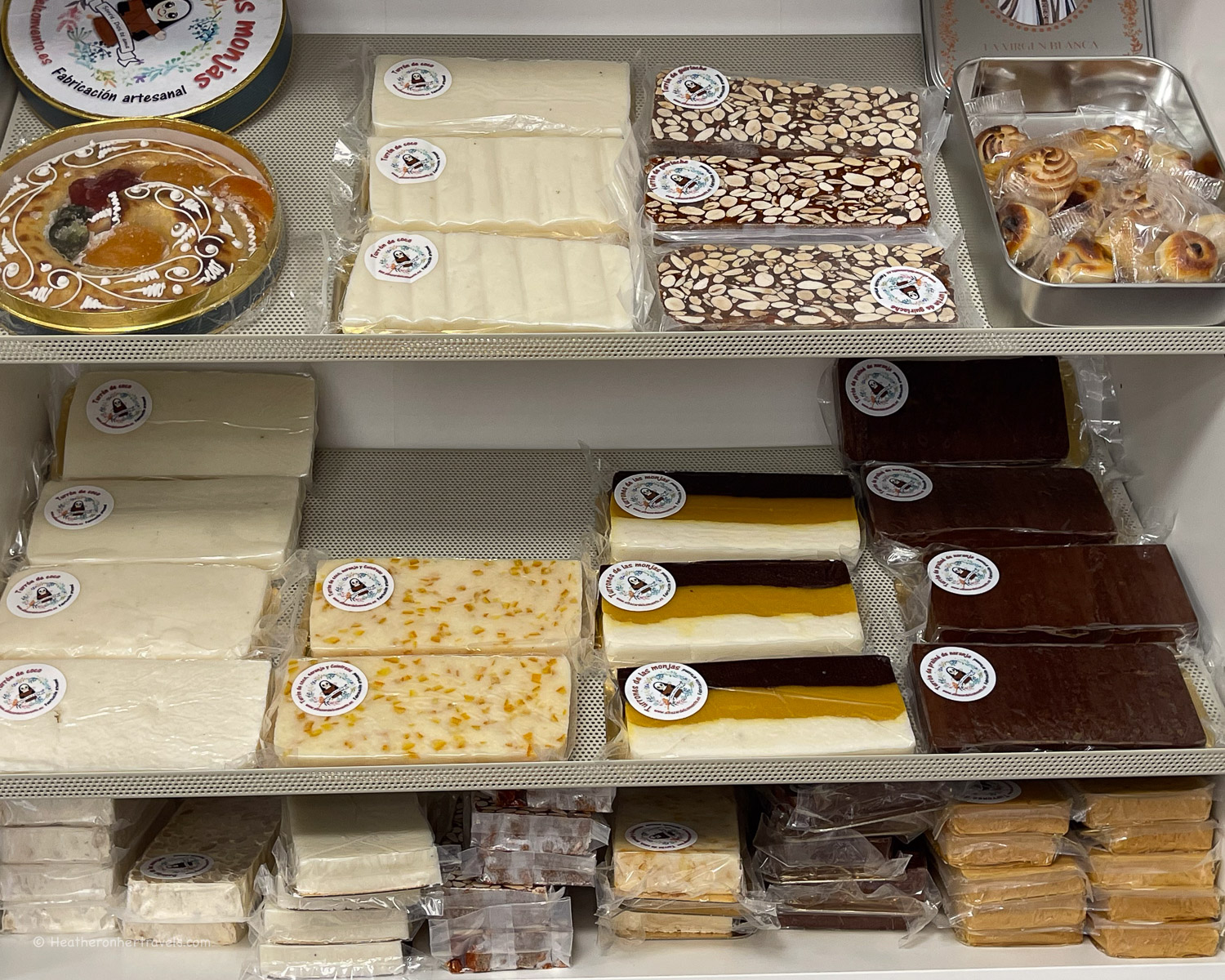
- Be sure to buy some Marzipan sweets as a souvenir of Toledo – they were traditionally made by nuns in the town’s convents and the sweet was said to have saved the town from famine. Toledo is also known for its metalworking, so you will see many shops selling swords and other decorative metal items.
How to get from Madrid to Toledo
Train – from Madrid – Puerta de Atocha to Toledo train station (Estacion de tren Toledo), trains run around every hour with Renfe. Journey time 35 mins. Walk from Toledo station to centre of Toledo old town 15 mins. Book on RailEurope or Omnio. Cost around €14 one way. Note that despite the short distance from Madrid, these trains can book up, so you should reserve a few days before.

Bus – from Madrid Estacion de Plaza Eliptica to Toledo bus station (Estacion de Autobuses de Toledo) run around every 30 mins with Alsa. Journey time 50 mins. Walk from Toledo bus station to centre of Toledo old town 15 mins. Book on Omnio. Cost around €7 one way. Bus is a good alternative is you are on a tight budget or the trains are sold out.
Cordoba
Cordoba was one of the most charming towns we visited on our Madrid to Malaga trip through Andalusia. Set by the Rio Guadalquivir, the town became important under the Romans and had its heyday as the capital of the Moorish caliphate of Al-Andalus, before being reconquered in 1236 AD by King Ferdinand III of Castile.
The historic centre is compact and easily walkable, so you can see most of the sites in a day, or perhaps two if you have time to linger.
Top things to do in Cordoba
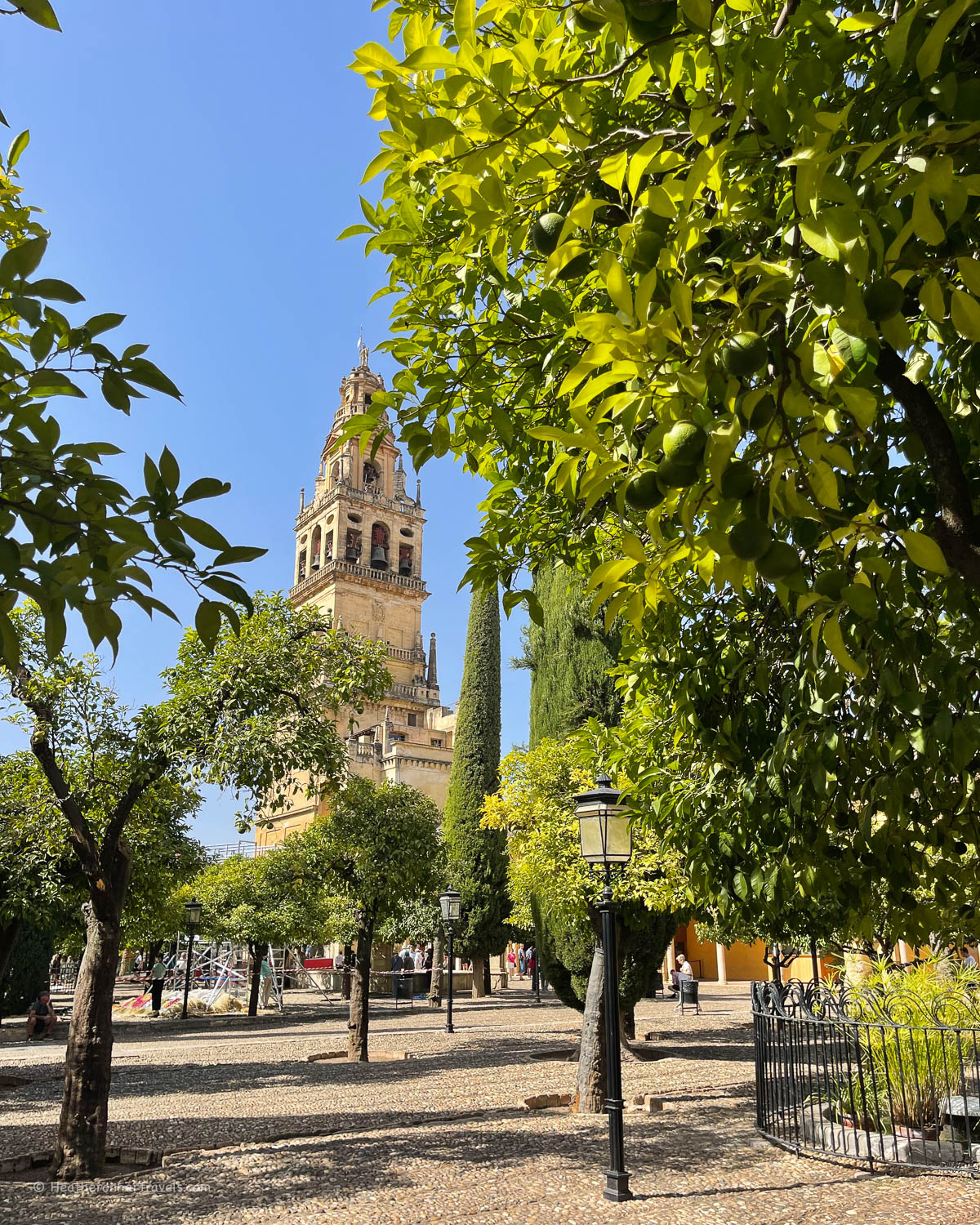
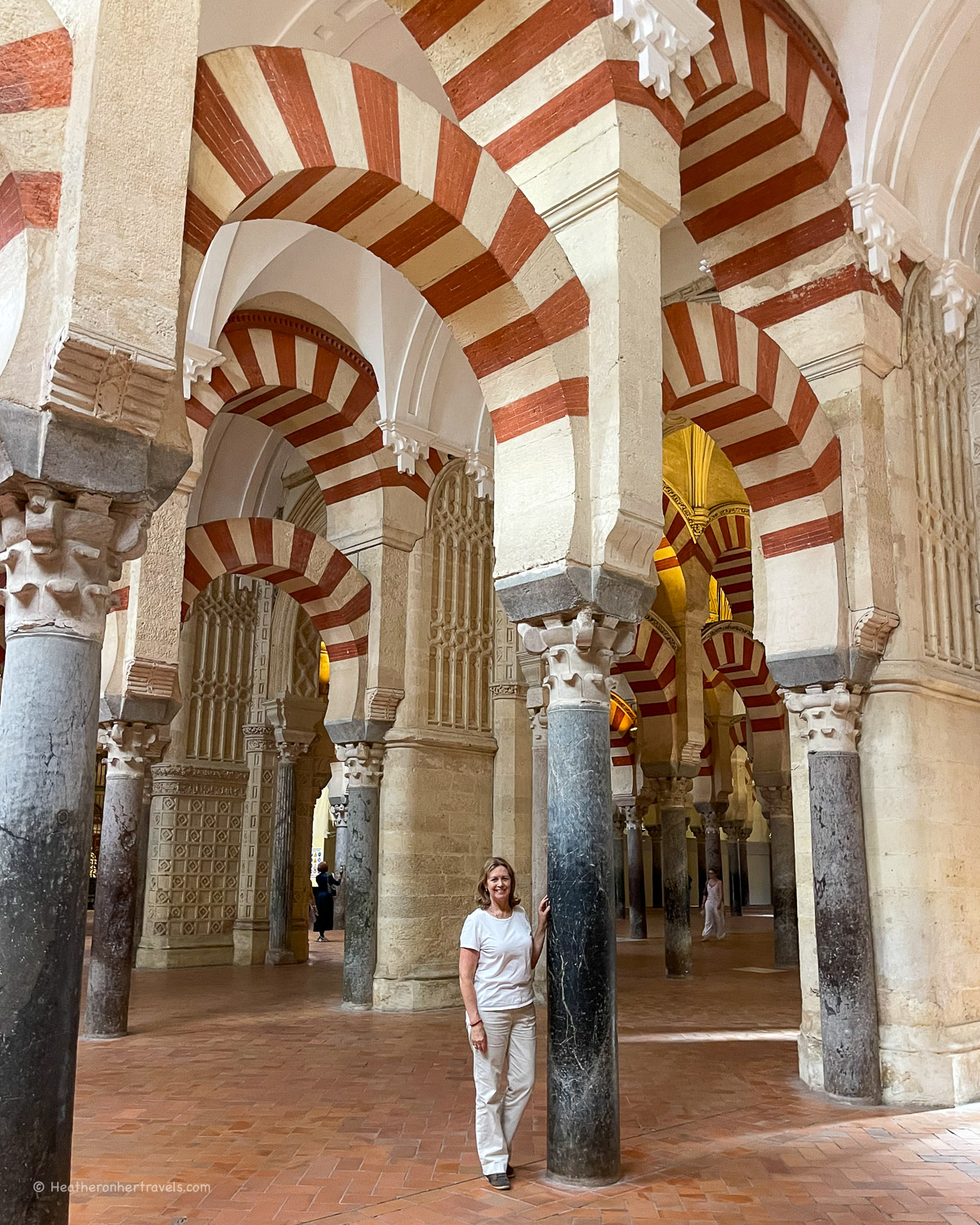
- Mezquita – Catedral de Cordoba – this UNESCO world heritage site is a huge mosque with distinctive red and white striped pillars, that was later turned into a cathedral. You should allocate at least 2 hours to visiting La Mequita, including the courtyard of oranges and the bell tower, which you can climb with an additional ticket.
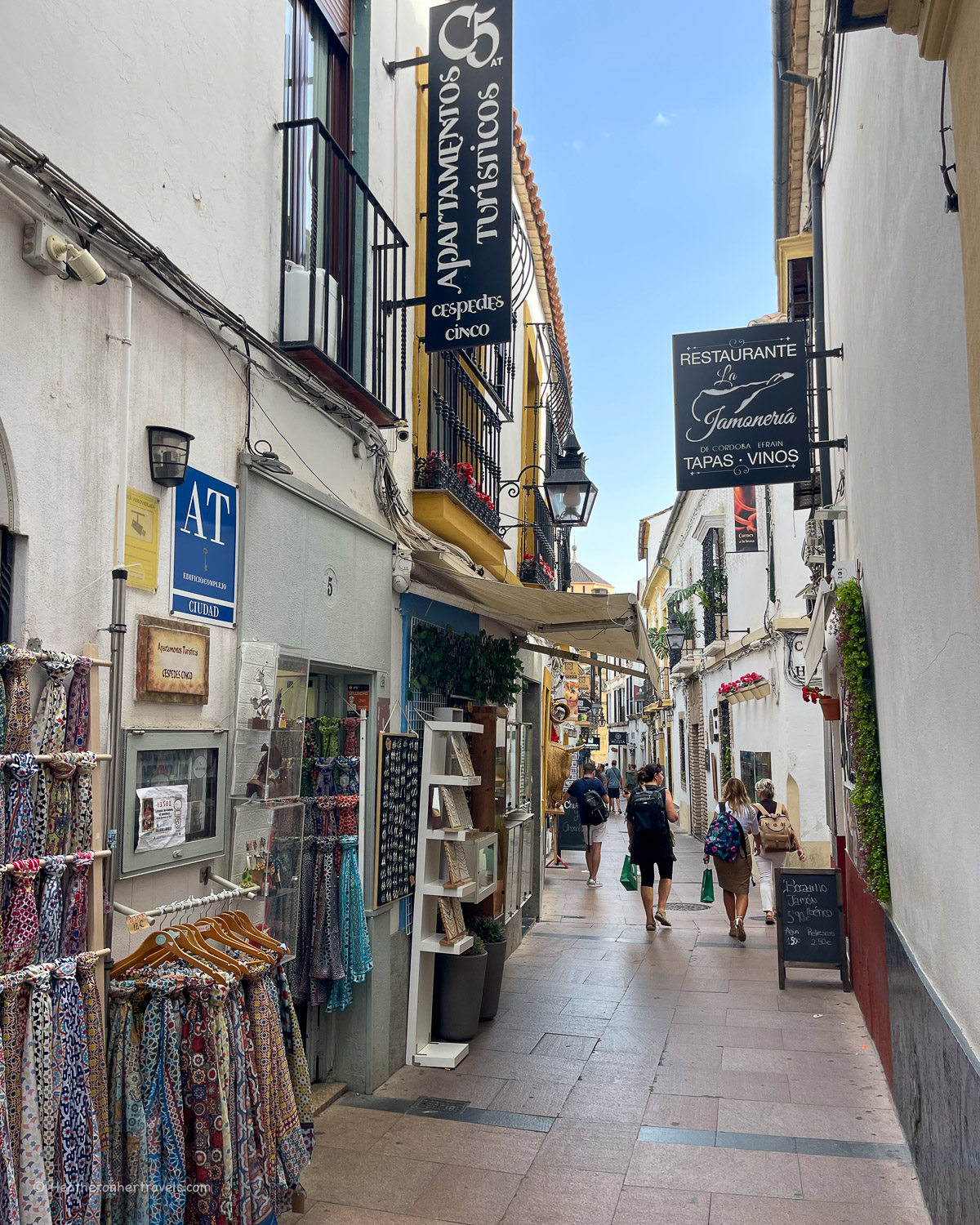
- Jewish Quarter – wander through La Juderia’s network of narrow streets, filled with souvenir shops and tapas bars. The 14th century synagogue is an intricately carved example of Mudejar architecture and outside is the statue of the famous Jewish philosopher, Maimonides.
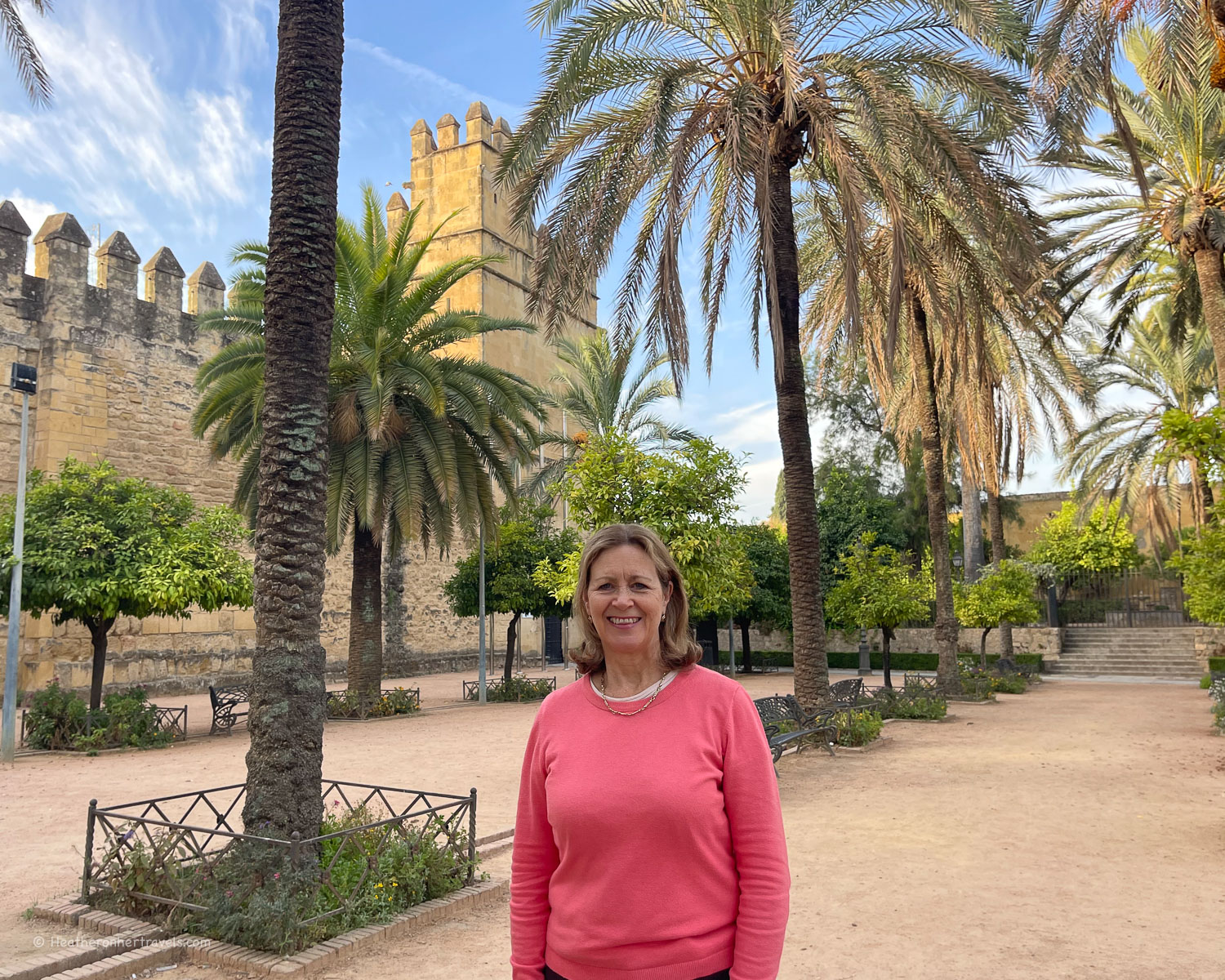
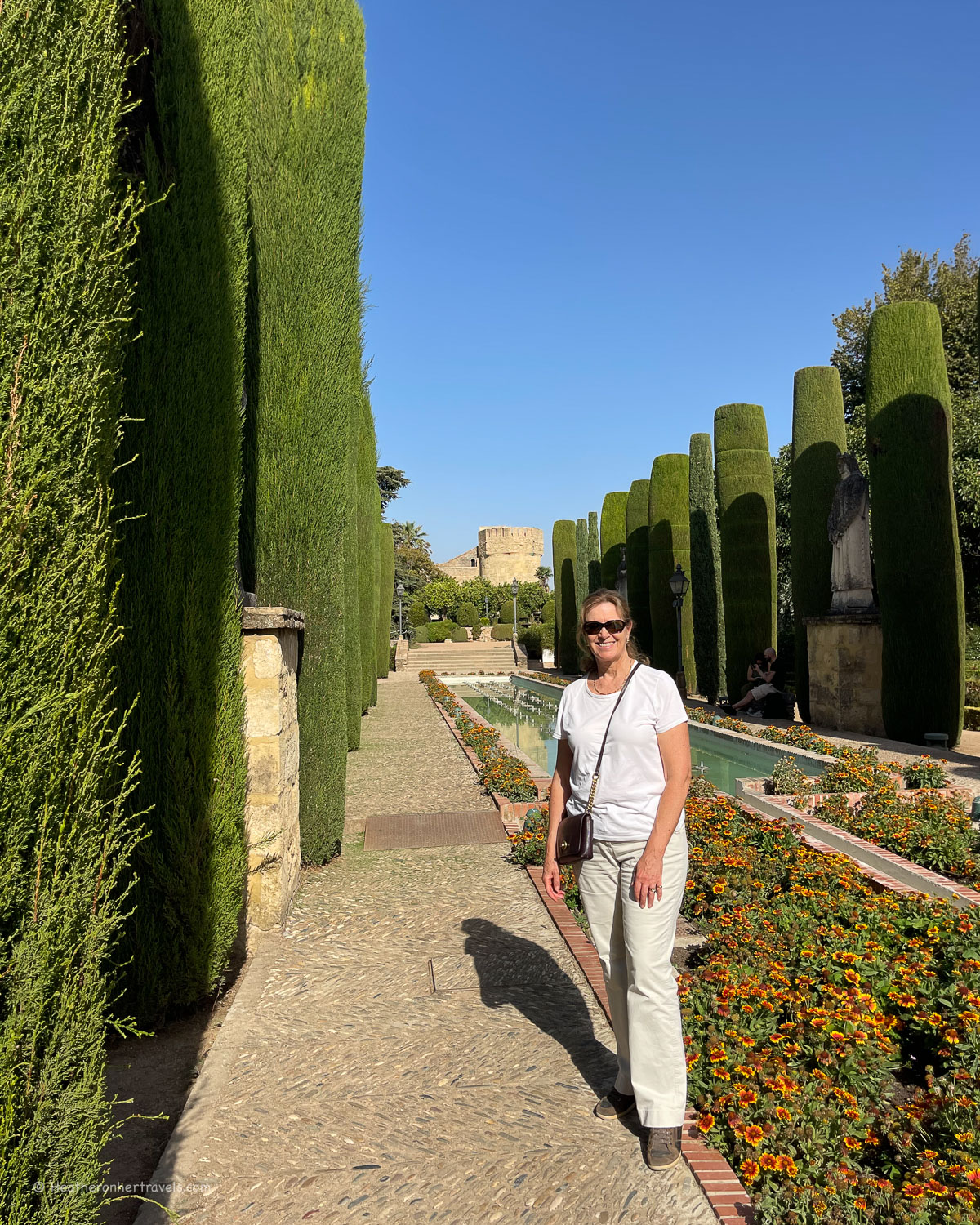
- Alcazar de los Reyes Christianos – the solid stone walls of this fortress palace enclose courtyards, a hall of Roman mosaics and Arab baths. During our visit the palace was closed for renovations, but the gardens alone made our visit worthwhile, with their geometric pools, orchards of citrus fruit and low hedges enclosing fragrant herbs and flowers.
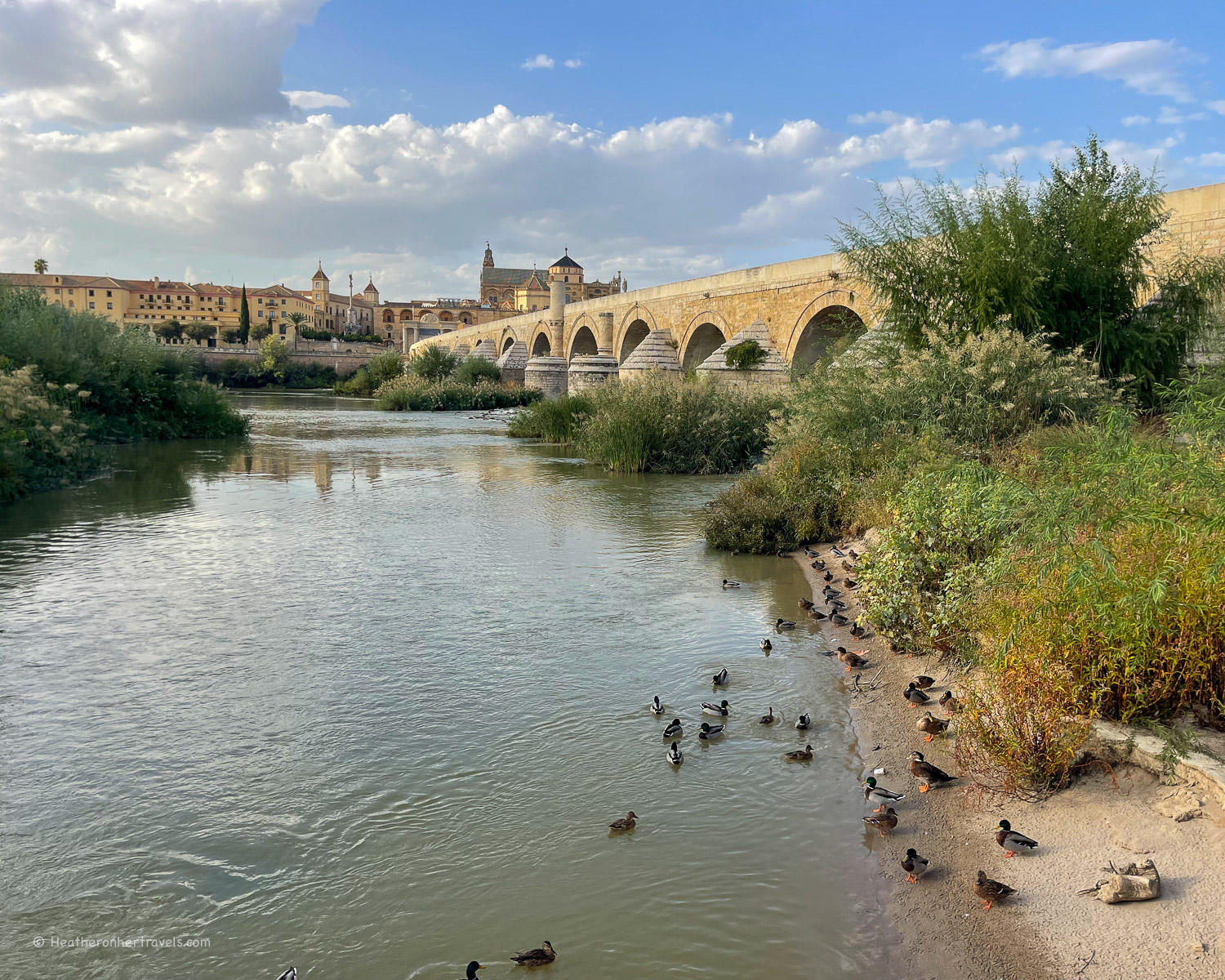
- The Roman Bridge – traditionally this beautiful stone arched bridge is the place to visit at sunset, when the atmospheric guitar music of street musicians drifts across the river. It’s bookended by the impressive town gate on one side and the Callahorra tower at the other, which houses a small museum.
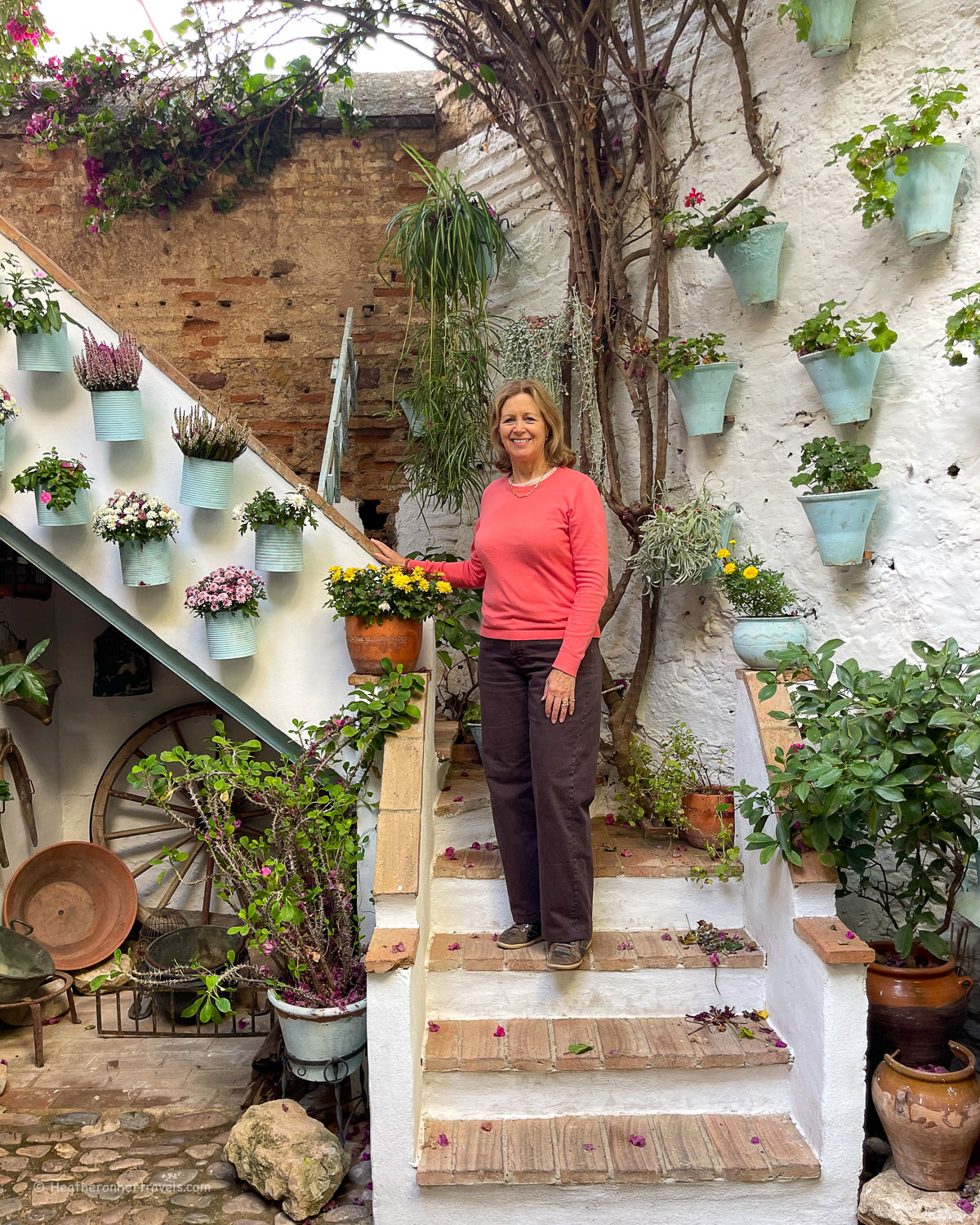
- Patios of Cordoba – The quaint San Basilio neighbourhood, houses flower filled private courtyards or patios. One ticket (from the office at 14 Calle de Basilio) will get you a map and entrance to around seven of them all year round. Many more are open freely in return for a small donation and the whole town fills with flowers in May during the Fiesta de Patios de Cordoba. If the San Basilio Patios are closed, you could also visit the patios of Palacio de Viana which is a little outside the town centre.
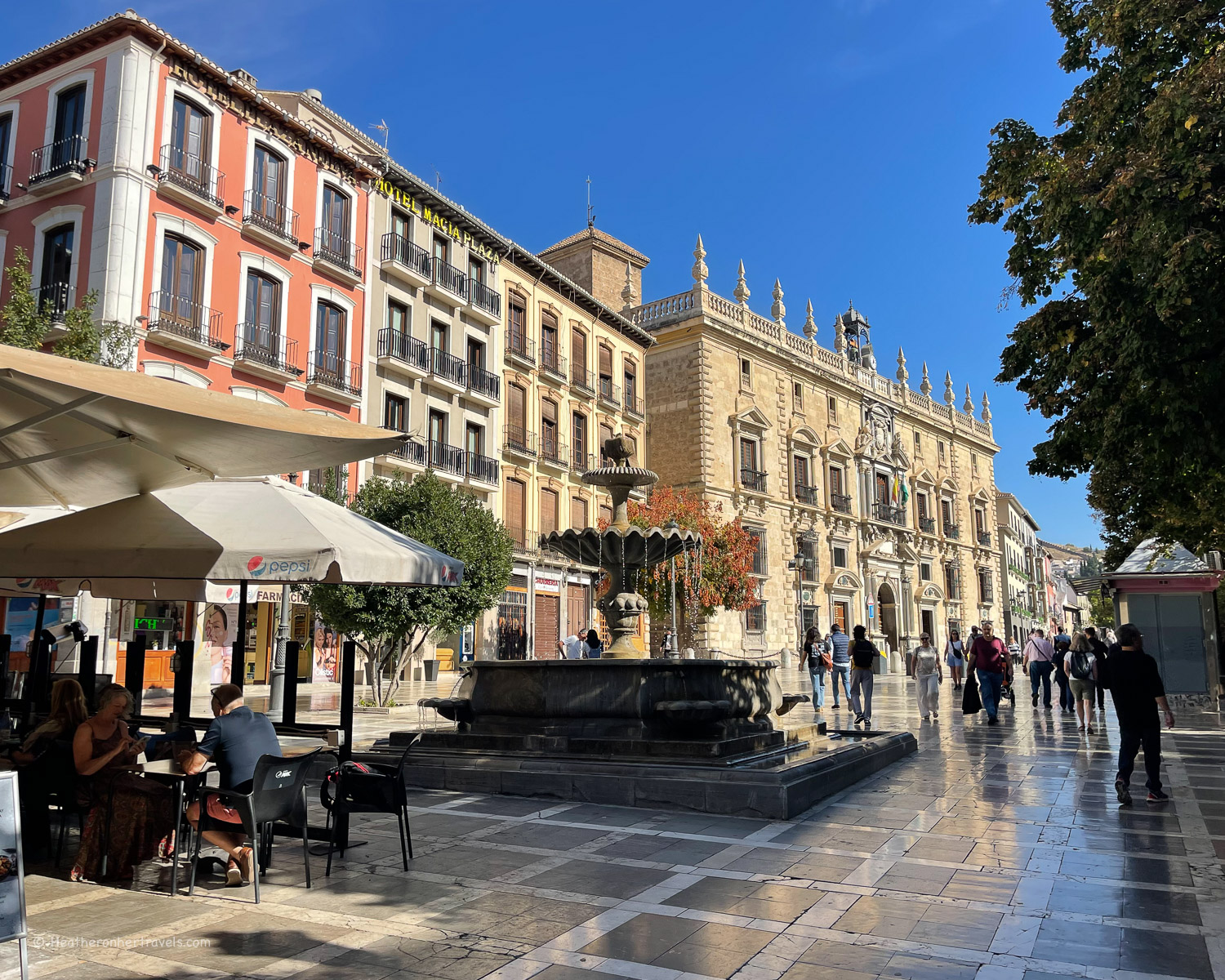
- Plaza de la Corredera – to get a more local feel for Cordoba, outside the narrow streets of the historic centre, head to this larger square in the newer part of town where the locals gather for drinks and tapas in the evenings.
- Enjoy some of the food specialties of Cordoba – we tried the Flamenquín (croquette made of rolled ham and cheese), Salmorejo (a thick cold tomato soup) and Pastel Cordobés (a tarte made with sweet pumpkin puree).

How to get from Madrid to Cordoba
Train – from Madrid – Puerta de Atocha to Cordoba train station (Estacion de tren), running around 3 times per hour with Ave, Ouigo or Iryo. Journey time from 1 hr 45 mins. Cost from €19 – 40 one way. Book on RailEurope or Omnio.

How to get from Cordoba to Granada
Train – from Cordoba – Julio Anguita train station to Granada train station (Estacion de tren), run around every 2 hours with Renfe or Ave. Journey time around 1 hr 50 mins. Cost from €30 one way. Book on RailEurope or Omnio.
Granada
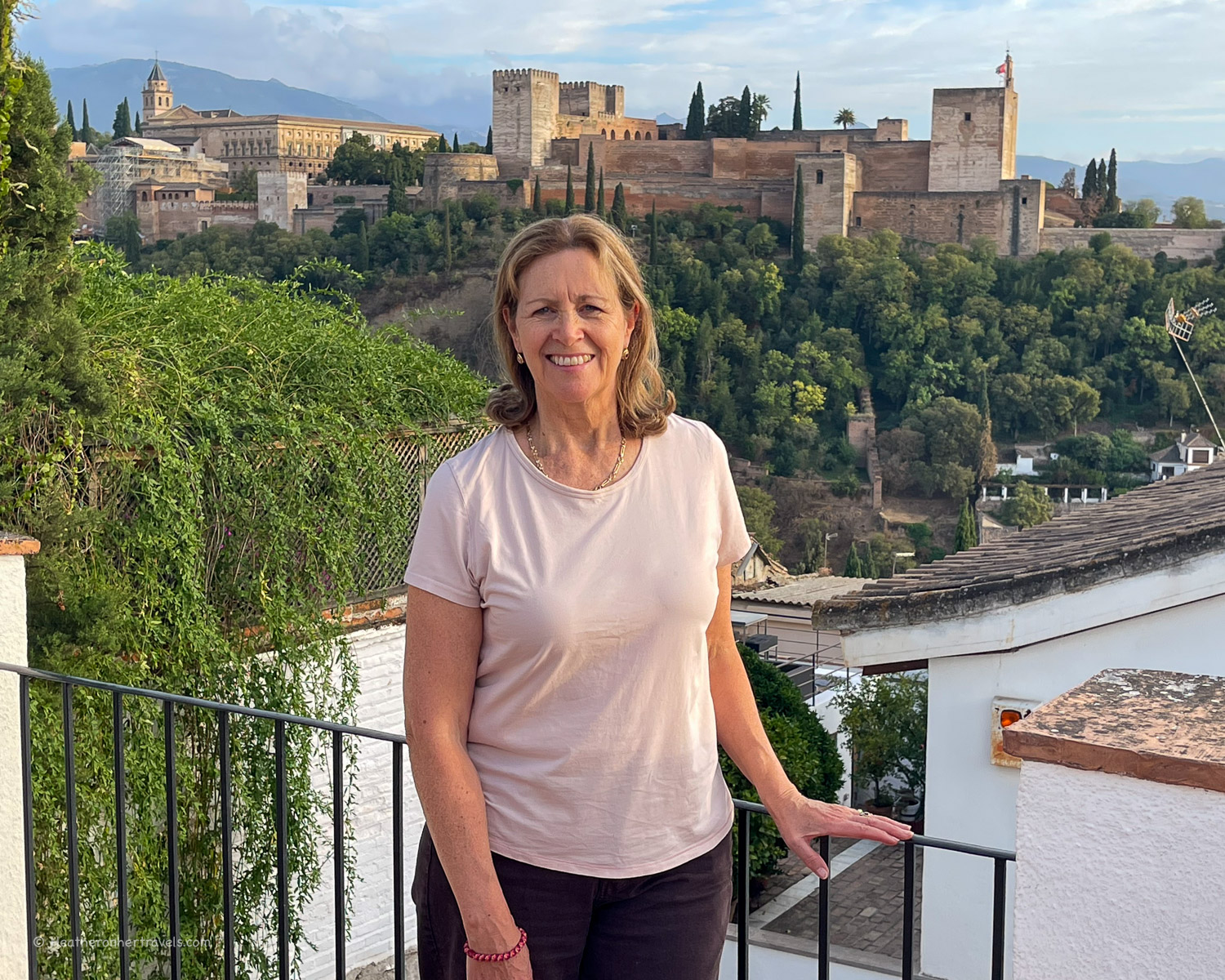
Travelling from Cordoba to Granada, we felt the step change from town to bustling city. Granada is set at the foot of the Sierra Nevada mountain range, and was the heart of the Muslim Nasrid dynasty for several centuries, resulting in the construction of the magnificent Alhambra palace complex. Most visitors come for the Alhambra, but there’s much more to see in Granada and it warrants a deeper look if you have time.
Top things to do in Granada
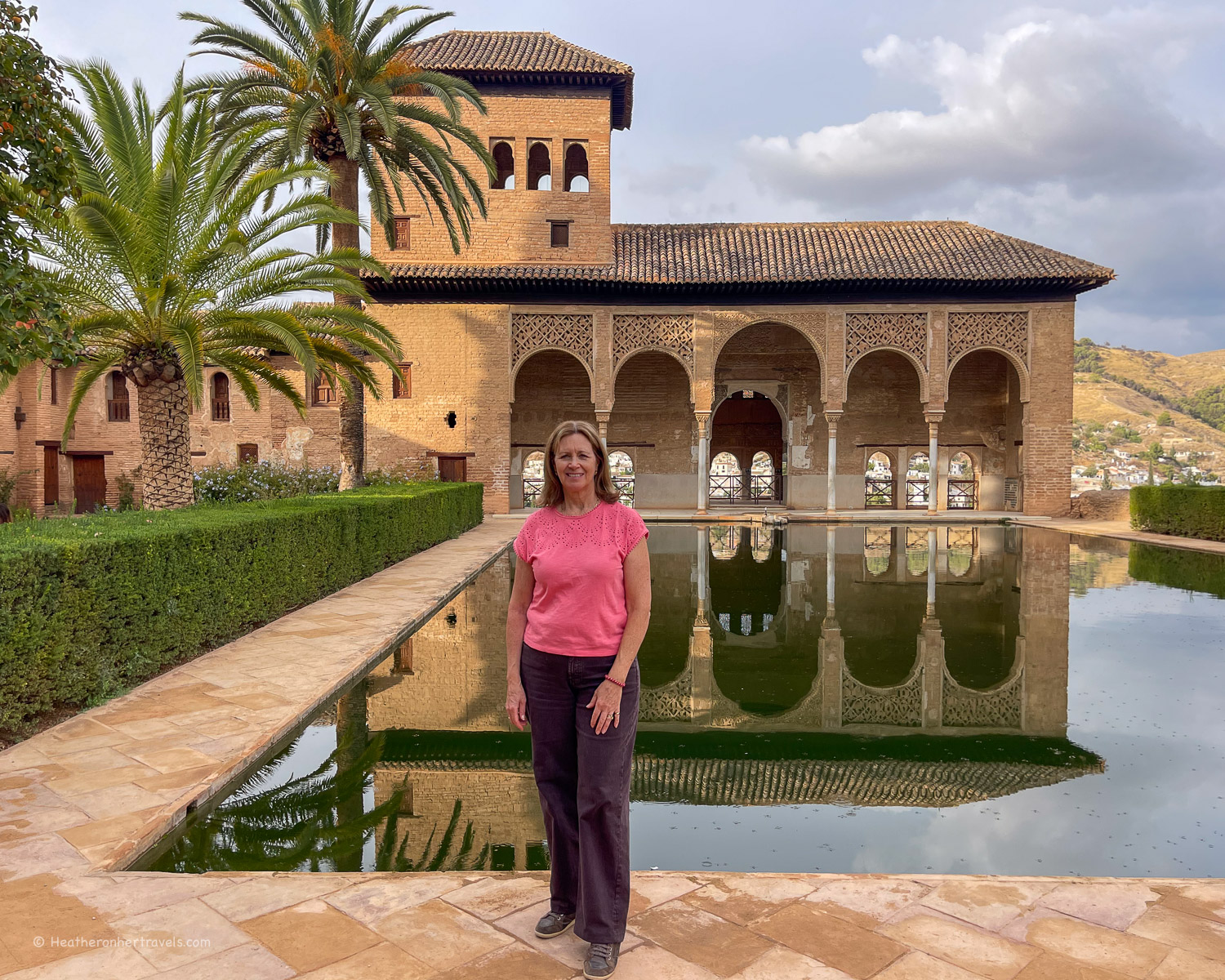
Alhambra – most visits will be built around a visit to Alhambra, the gorgeous palace complex of Granada. You should allocate at least half a day for your visit as there are 4 separate palace buildings and Generalife gardens to see.
Book tickets well ahead through the official website, since they sell out weeks or even months in advance. If the official website is sold out, you may find last minute tickets on sale through other tour websites, but beware of scams and remember they are not guaranteed and may be cancelled last minute.
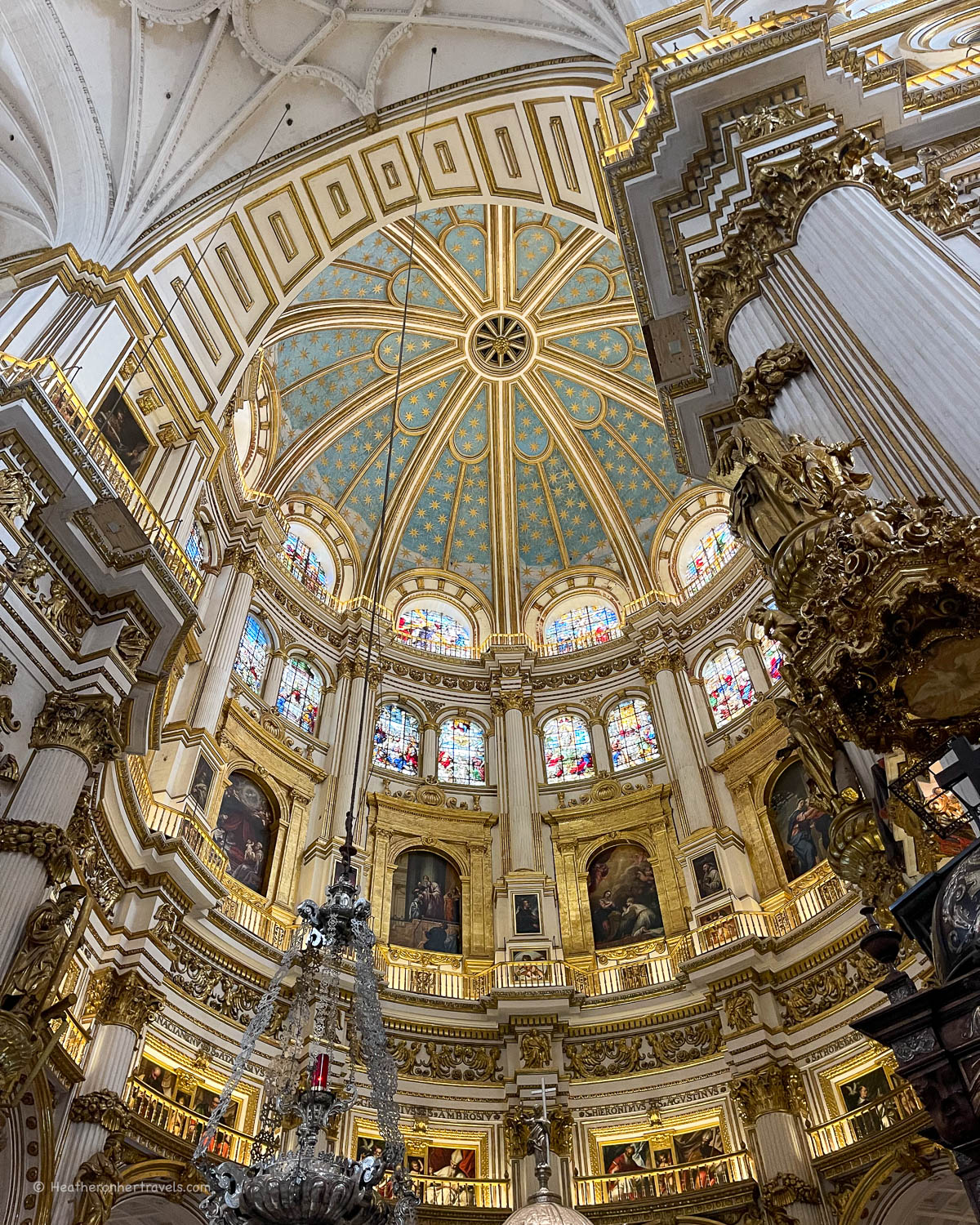
Granada cathedral and Royal Chapel – The cathedral was completed in 1704 on the site of the city’s mosque and is full of opulent baroque decoration in gold and silver. The adjoining Royal Chapel is the burial place of Catholic Monarchs Isabella and Ferdinand.
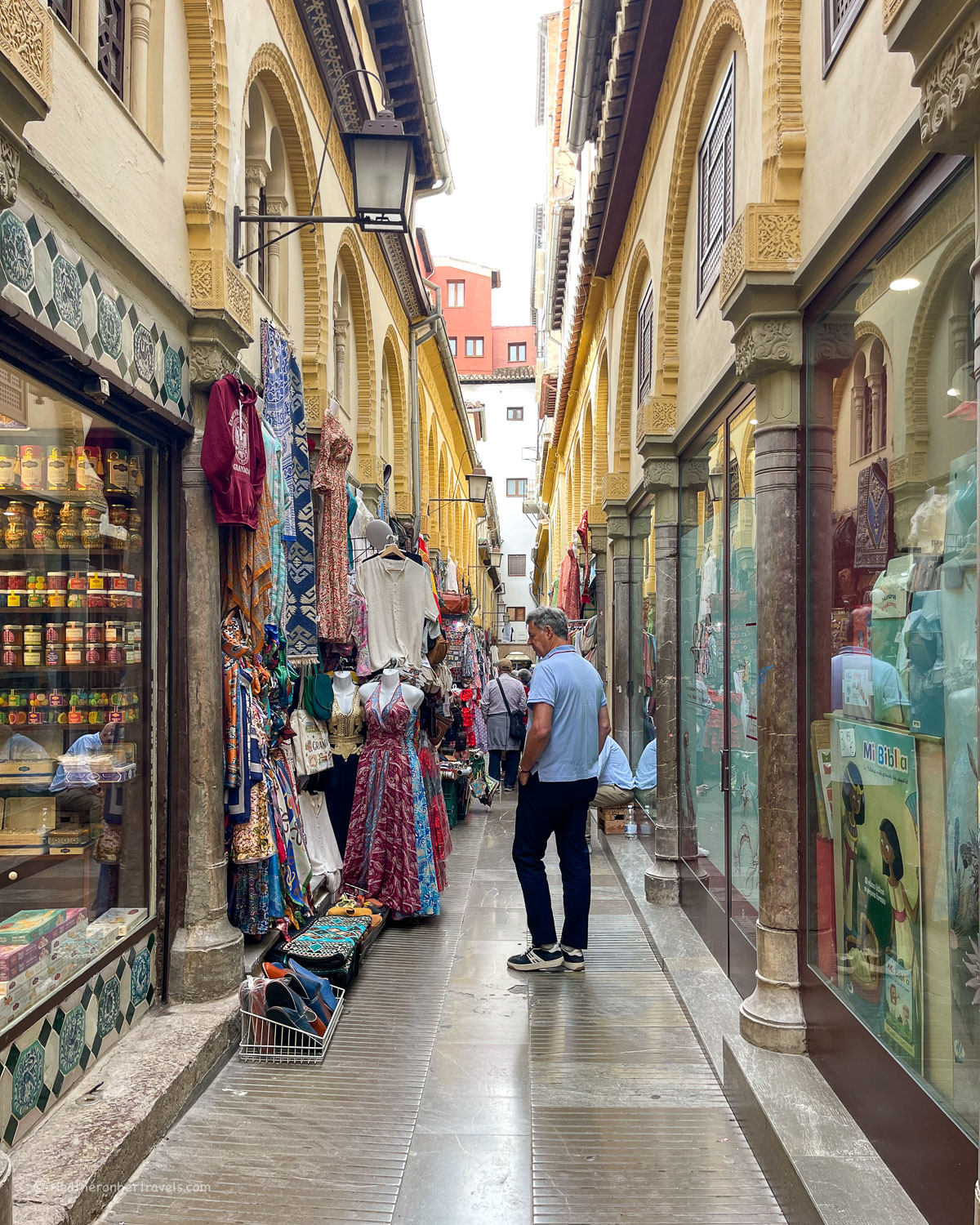
Alcaicería – this old Moorish silk market, with arches and alleyways, reminded me a bit of the souks of Marrakech. It’s now filled with clothing and souvenir shops.
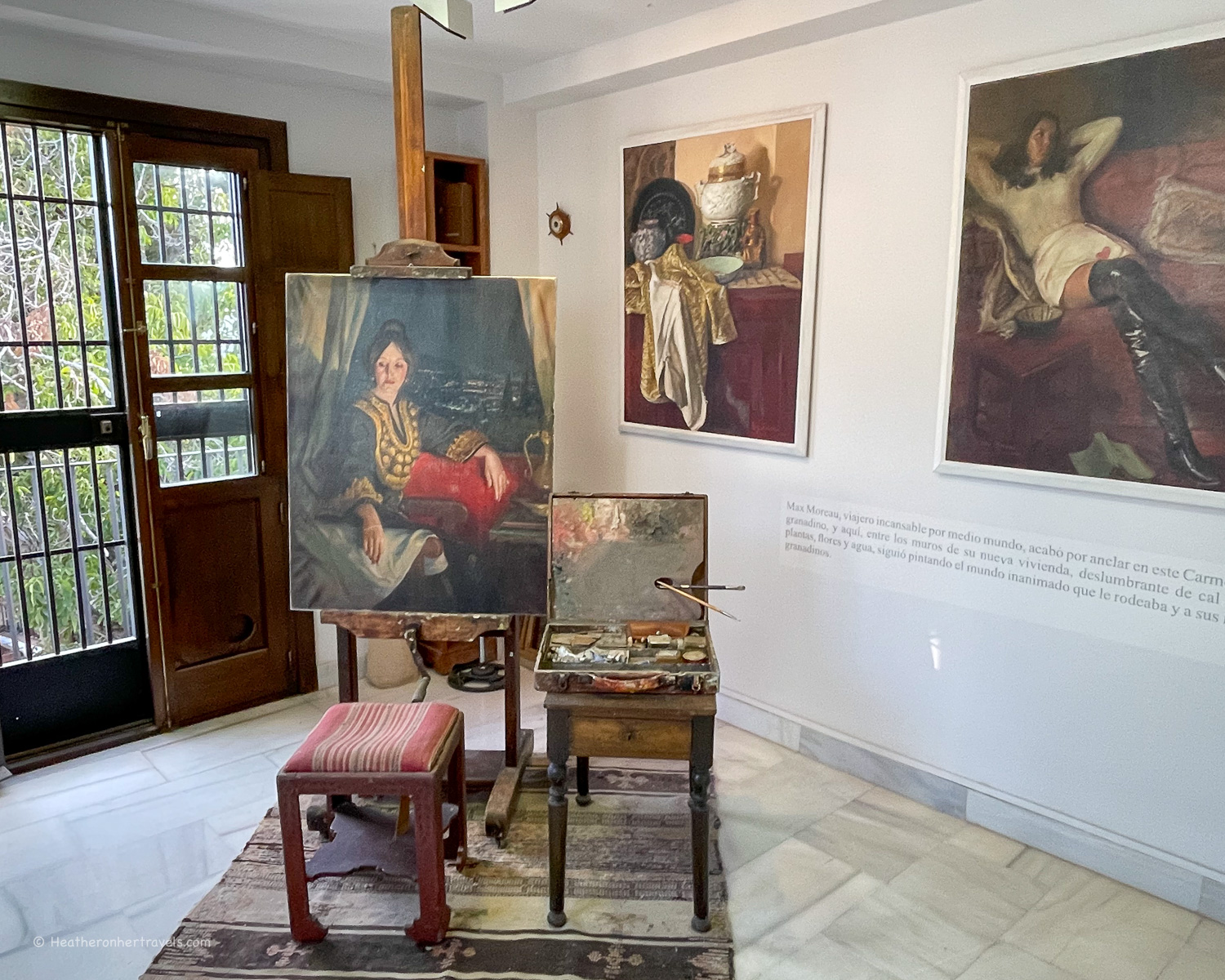
Albaicín – the old Moorish neighbourhood on the hillside opposite the Alhambra, with narrow streets and charming squares. We enjoyed the views of Alhambra from the Casa Museo de Max Moreau, home of the 20th century Belgian artist.
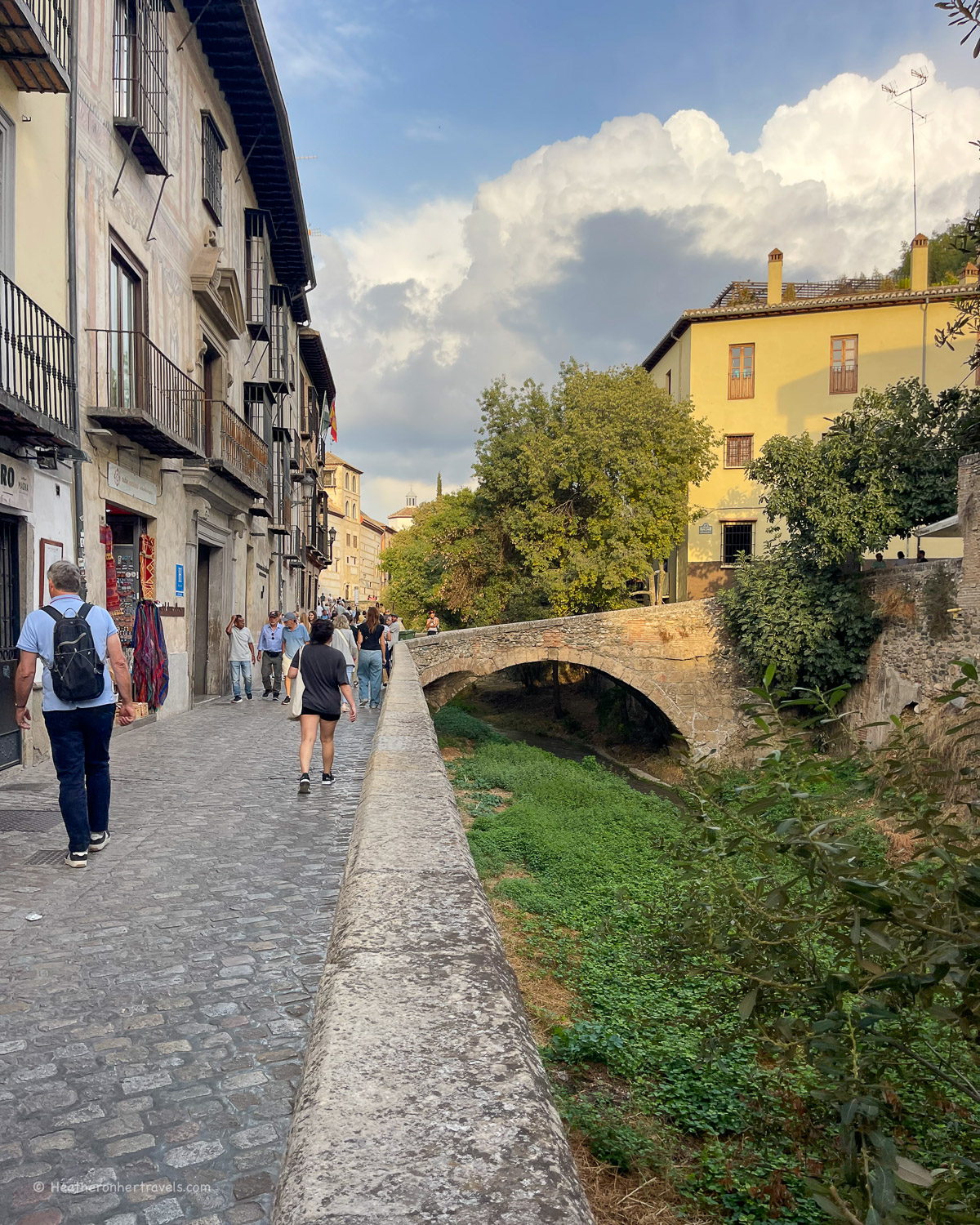
Carrera del Doro – this semi pedestrian street runs along the Darro river and leads to a pleasant square full of cafe terraces with views of the Alhambra on the hillside above.
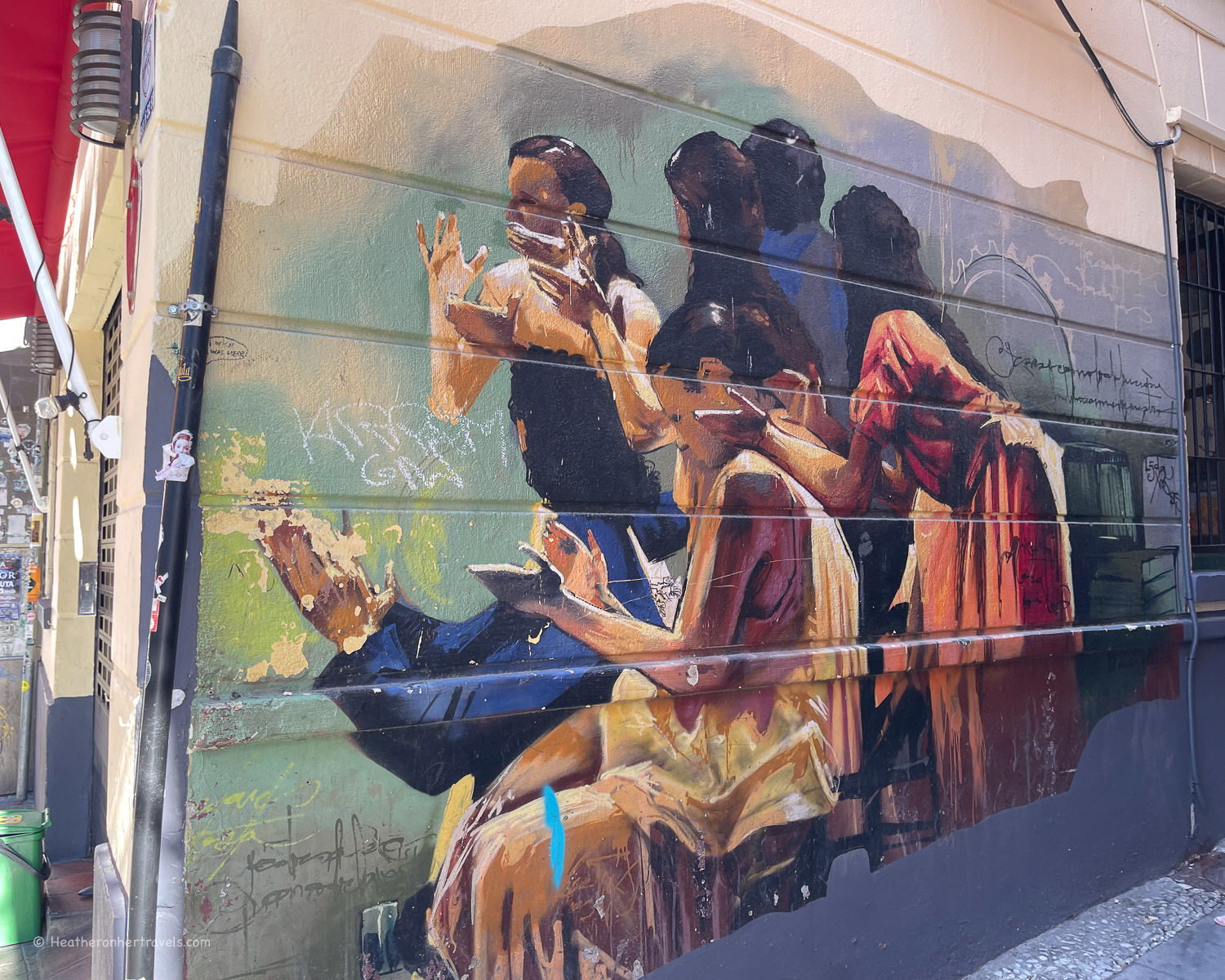
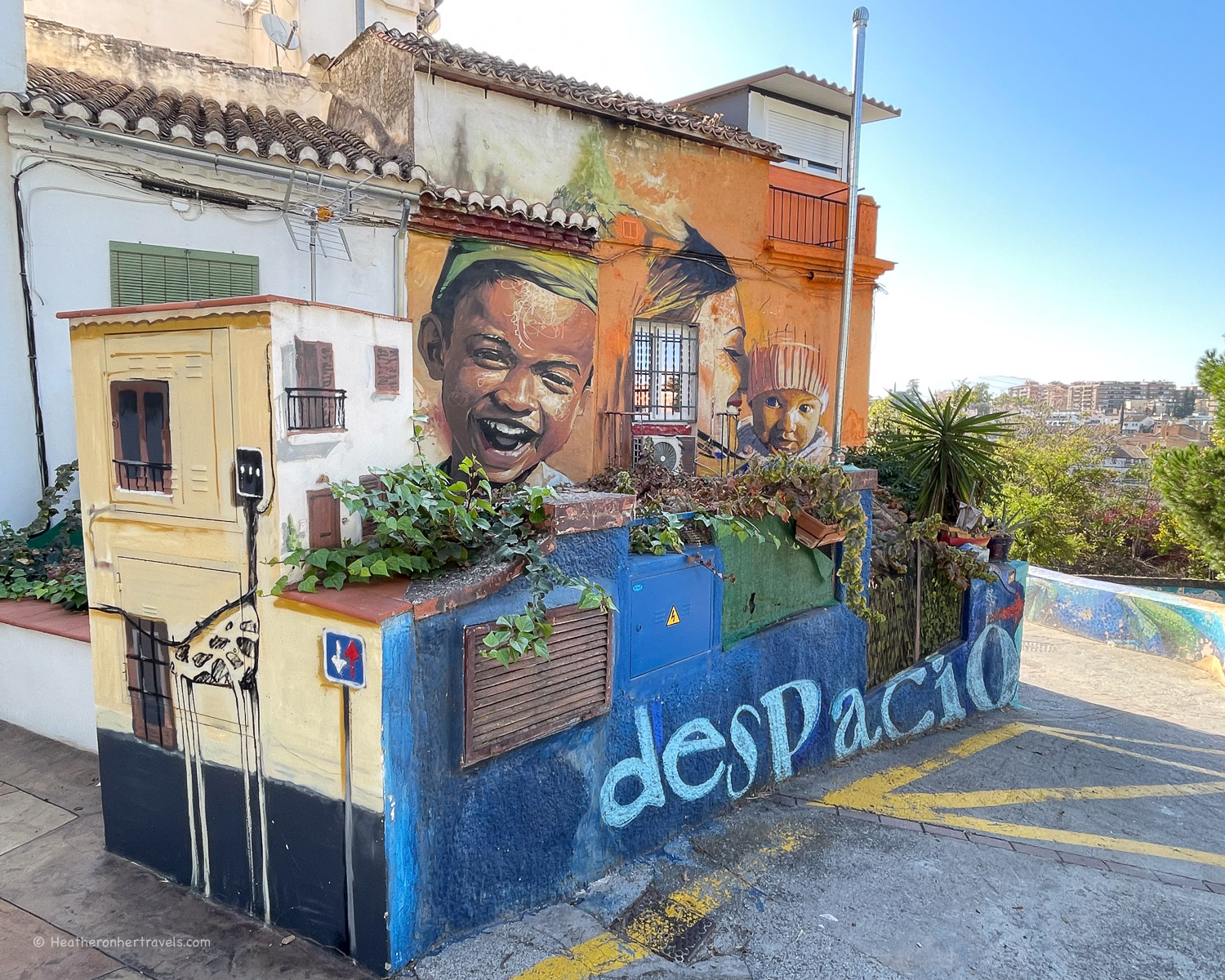
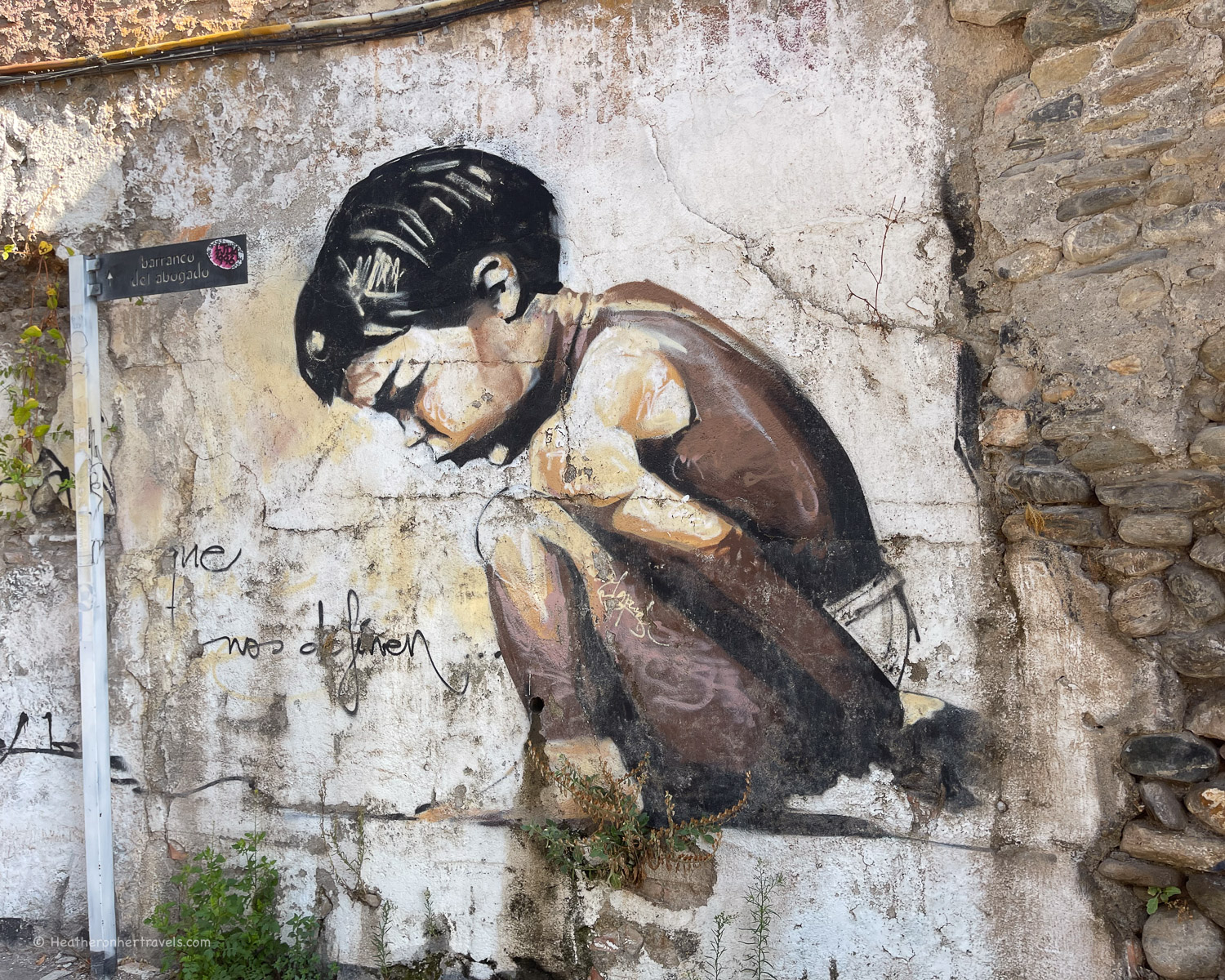
Street art in the Realejo neighbourhood – we really enjoyed spotting the street art murals by local artist Raul Ruiz who uses the name El Nino de las Pinturas. El Nino murals are dotted around the Realejo neighbourhood with a gallery at Calle Molinos 22, where you can pick up a map showing mural locations and buy prints and souvenirs.
Try the tapas – Granada is known for its tapas bars, and unlike other cities, these small snacks are often provided free when you buy a drink.
How to get from Granada to Malaga
Train – from Granada train station (Estacion de tren) to Malaga – Maria Zambrano, run direct 3 per day with Renfe. Journey time (direct) around 1 hr 30 mins. Cost from €25 one way. You can also travel with a change at Cordoba, which of course takes longer. Book on RailEurope or Omnio.
Bus – from Granada Estacion de Autobuses to Malaga Estacion de Autobuses run every hour with Alsa. Journey time from 1 hr 45 mins. Cost from €14 one way. Book on Omnio. Bus is a good alternative if you are on a tight budget or the direct trains are sold out.
Malaga
The coastal port city of Malaga is the capital of the wider region and offers a great mix of year round sunshine, picturesque old town, buzzing restaurant scene and great museums.
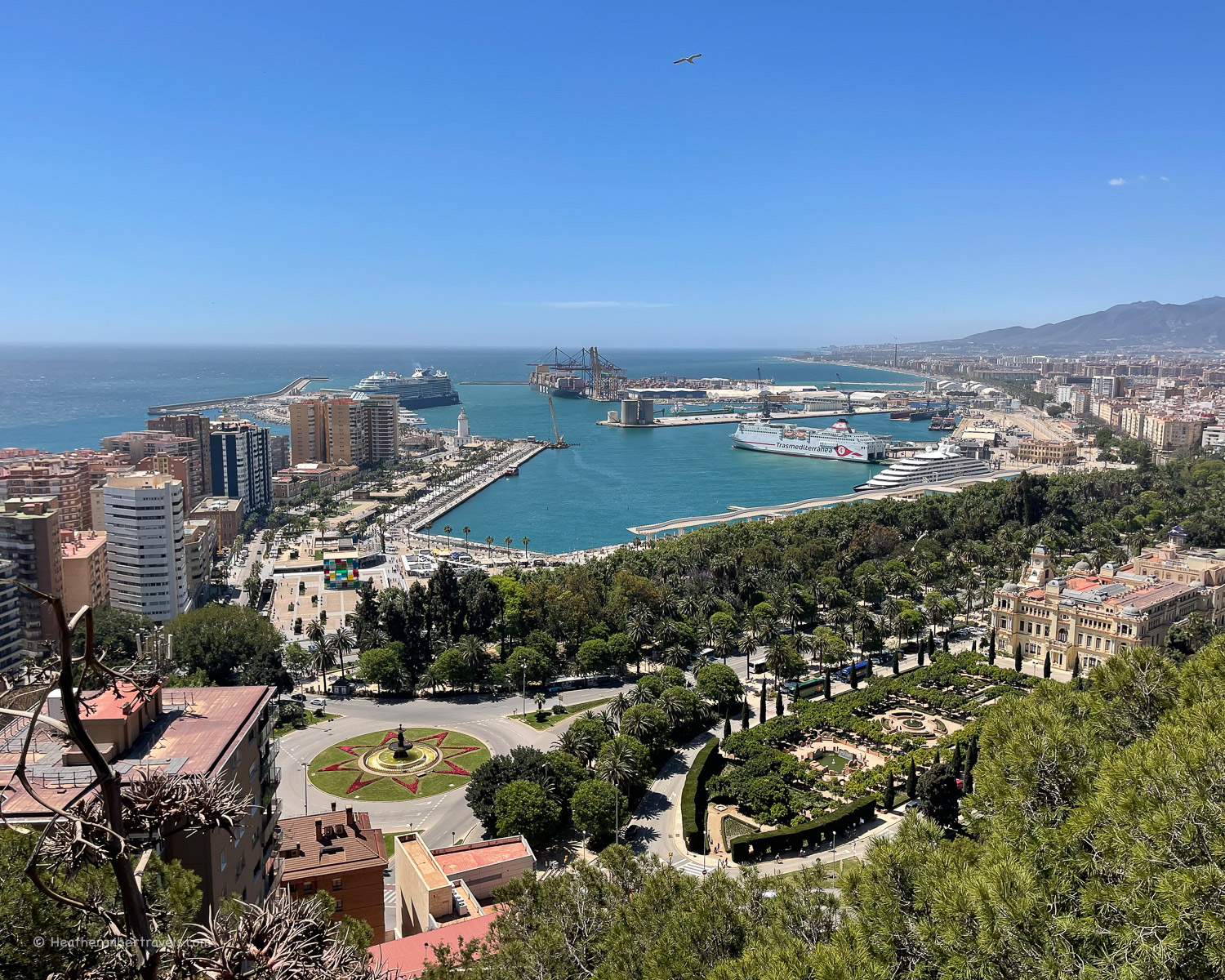
We had visited Malaga several times before this trip and I’ve written a couple of articles to give you a flavour of what we’ve enjoyed there.
20 things to do in Malaga – for first time visitors
15 festive reasons to visit Malaga at Christmas
Top things to do in Malaga
If you just have a couple of days to explore, here’s what I suggest you see first.
- Historic Centre – wander around the pedestrianised streets of the old centre, with its attractive and well restored buildings.
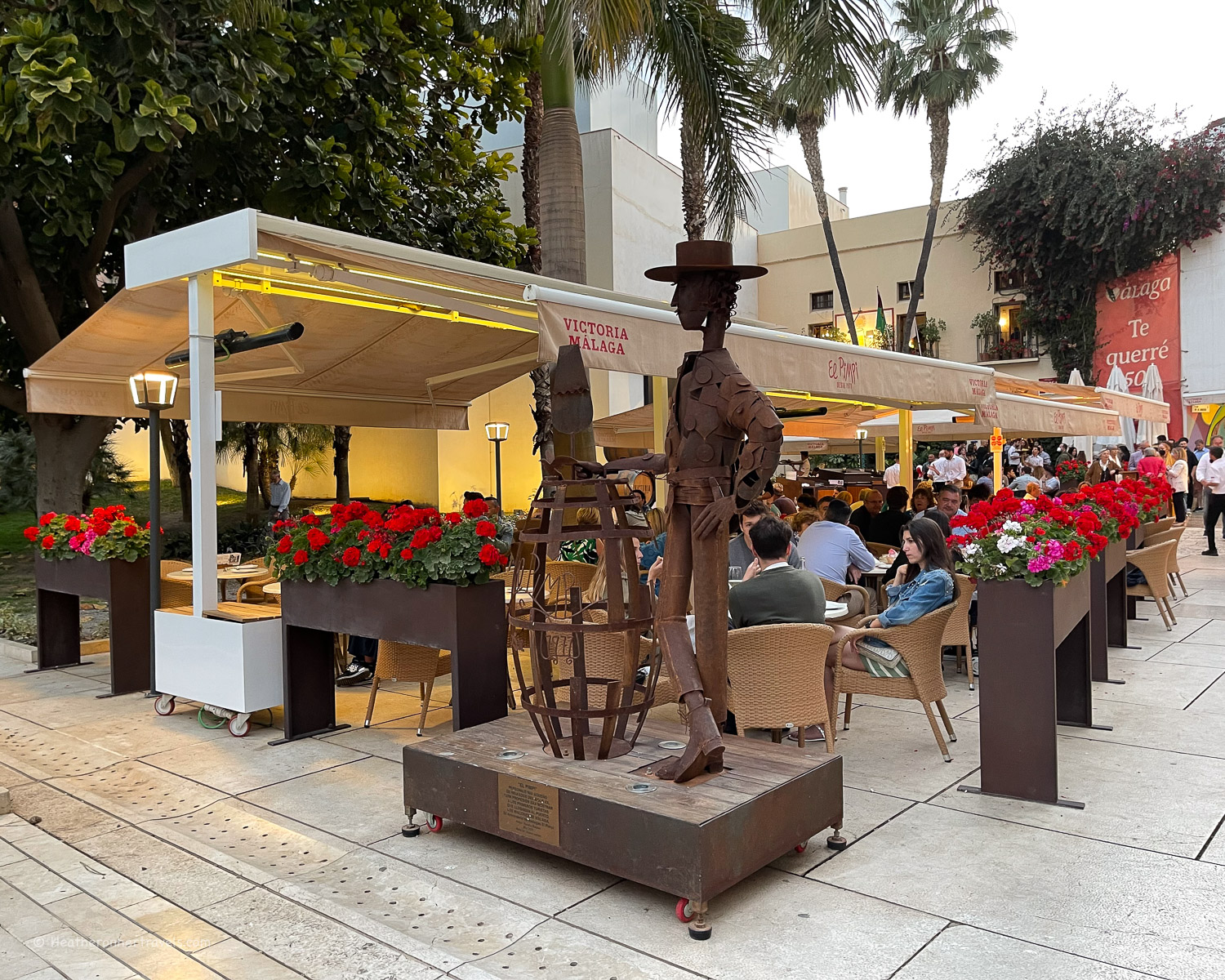
- Enjoy eating al fresco – the weather is mild enough to sit out year round in the many bars and restaurants, feasting on tapas and seafood or just sipping a coffee.
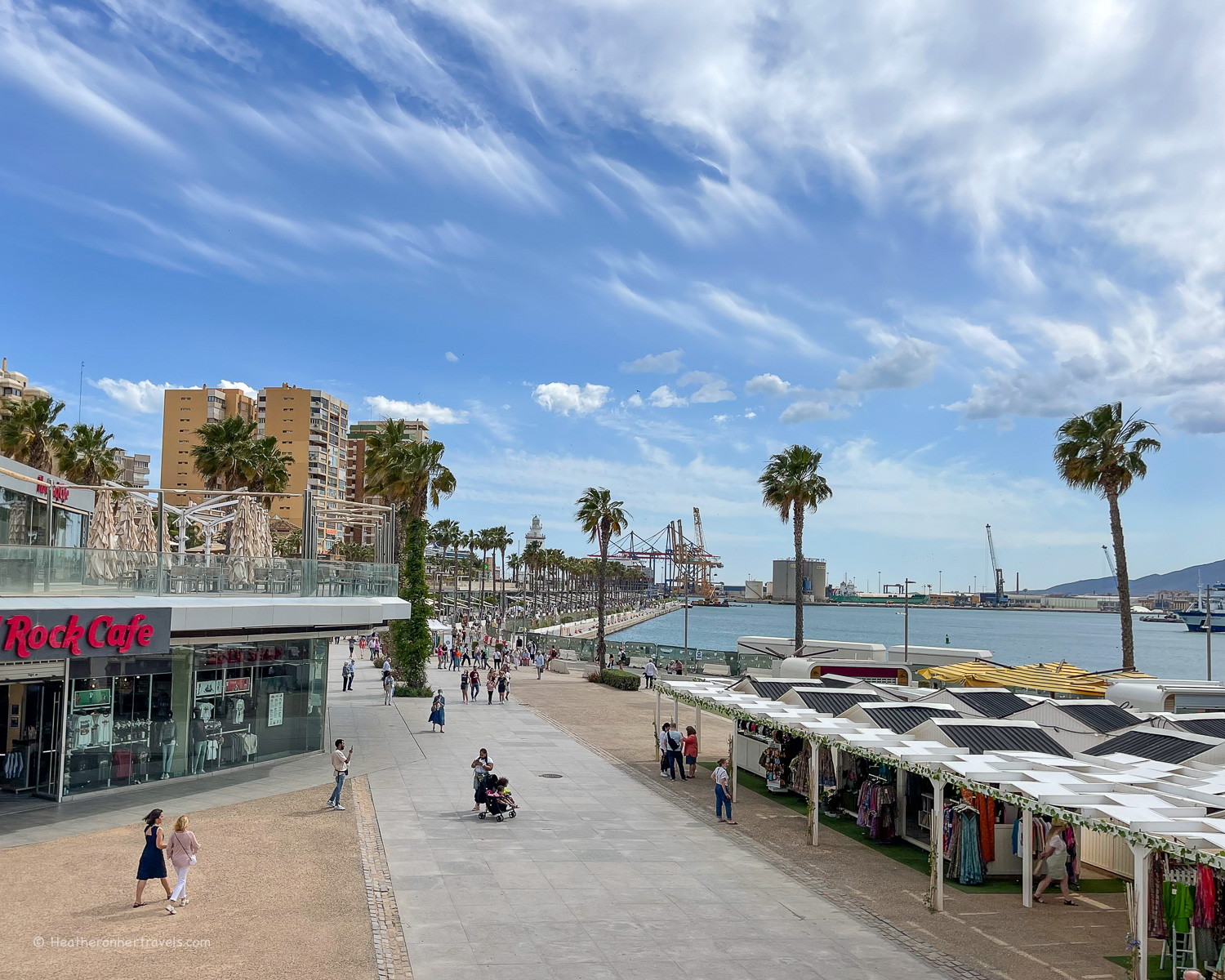
- Wander along the port – past the boulevard of Muelle Uno with its shops and restaurants, as far as the landmark Farola de Malaga lighthouse.
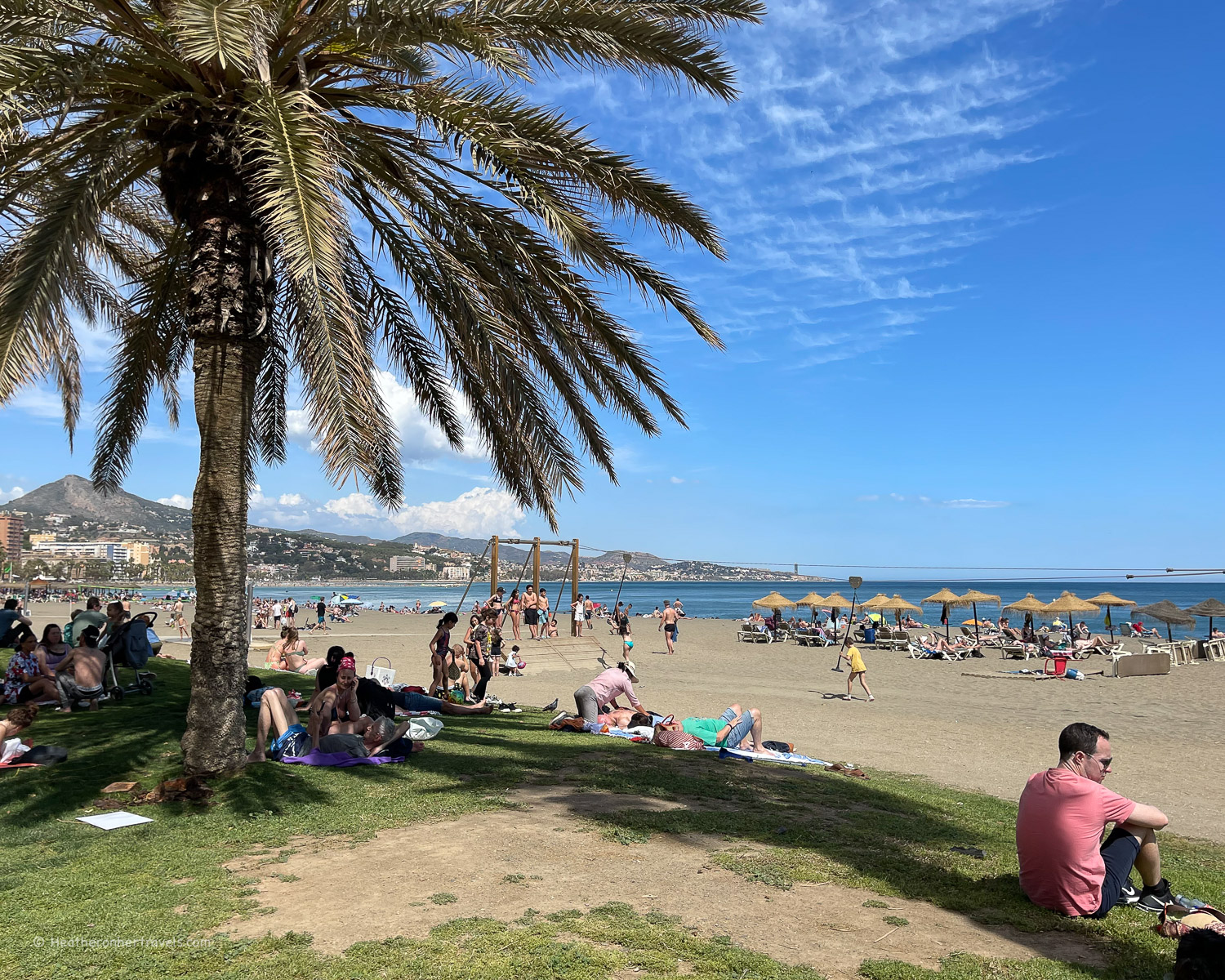
- Chill out on Malagueta Beach – swim, relax on the sand and eat seafood in one of the many Chiringuitos or beach bars.
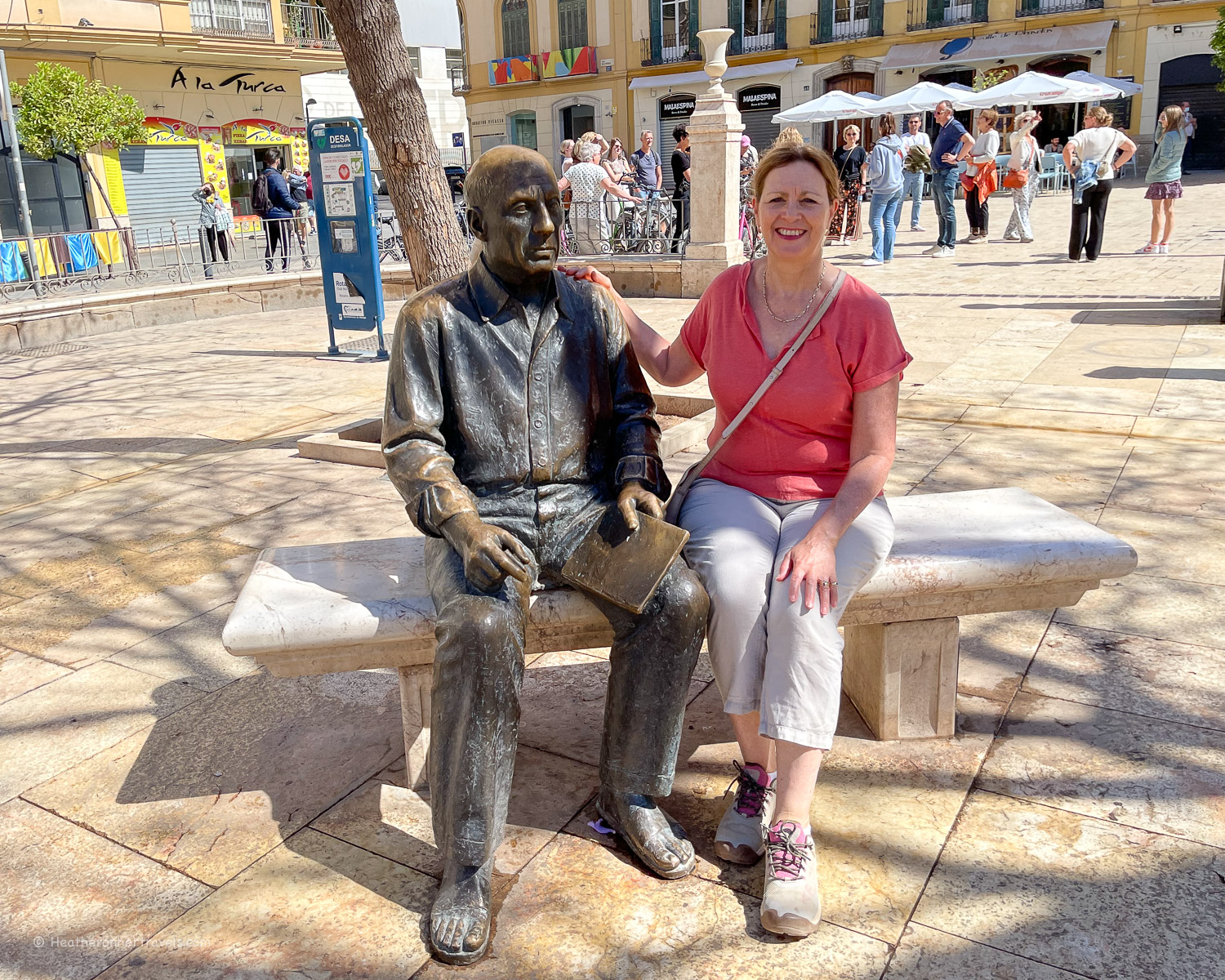
- Discover the Picasso connection – visit the Picasso Museum housing his artworks, take a selfie with his statue and visit the small museum of his birthplace.
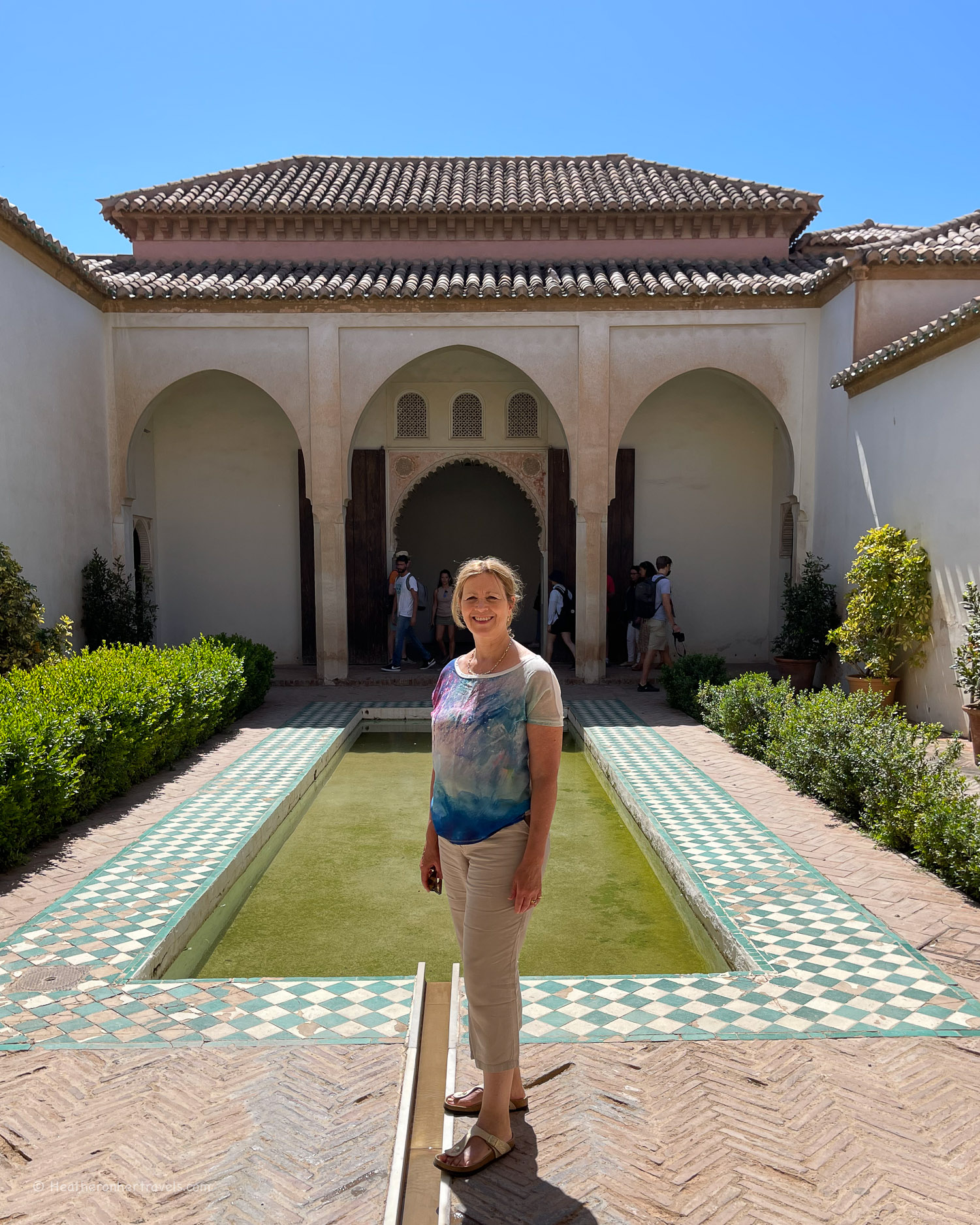
- Explore the Alcazaba – the Moorish Palace (like a mini Alhambra), set on the hill above the town, then climb up to the Gibralfaro fortress.
- Visit Malaga Cathedral in the heart of the old town – take the rooftop tour (if open) for views over the city.
- Enjoy the many museums and galleries – there are numerous art galleries and museums, often housed in stunning palacios – our favourites are the Automobile and Fashion museum and the Carmen Thyssen Gallery.

- Caminito del Rey – if you make one day trip from Malaga, it should be to the Caminito del Rey, a walkway that clings to the side of sheer cliff above the river.
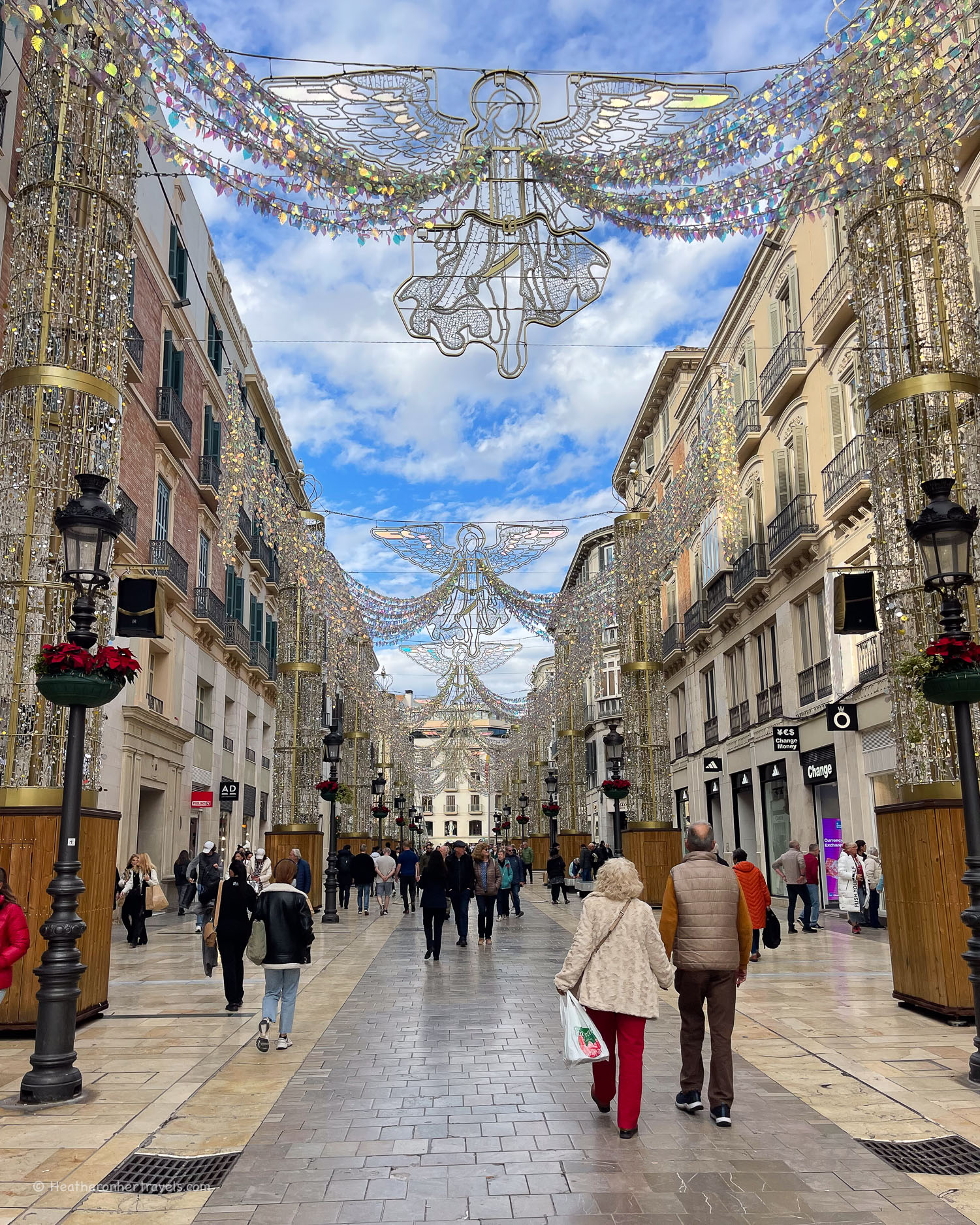
- Malaga at Christmas – December is a magical time to visit, with Christmas lights and free light shows throughout the city. Read my article about all the festive things to do in Malaga at Christmas.
How to book this 10 day itinerary from Madrid to Malaga
You can book this itinerary independently, booking train journeys and hotels separately. We recommend using Booking for hotels and RailEurope for trains or Omnio for buses and trains.
If prefer to have the whole itinerary organised for you, we recommend Byway Travel, who specialise in European holidays by train. They have two very similar itineraries below, or you can ask them to tailor a trip just for you.
Madrid to Malaga by train (9 nights)
London to Malaga – slow route to Spain (12 nights)
From Madrid to Malaga by train with Byway Travel
Follow our 10 day itinerary through Andalusia, Spain with Byway travel
Read Next
Read about 20 things to do in Malaga – for first time visitors
More cities to visit in Spain
15 Cool things to do in Madrid, Spain
10 fabulous things to do in Castellón, Spain
19 Best things to do in Bilbao, Spain
Pin it!



This article is originally published at Heatheronhertravels.com
Never miss an update! – Subscribe to receive our latest articles and newsletter


Judith
Friday 30th of January 2026
Thanks for a wonderful itinerary. I enjoyed
Heather Cowper
Sunday 8th of February 2026
@Judith - thanks and so pleased you found it helpful